home

artworks

biography

contact

Calendar

Past Events

REVIEWS


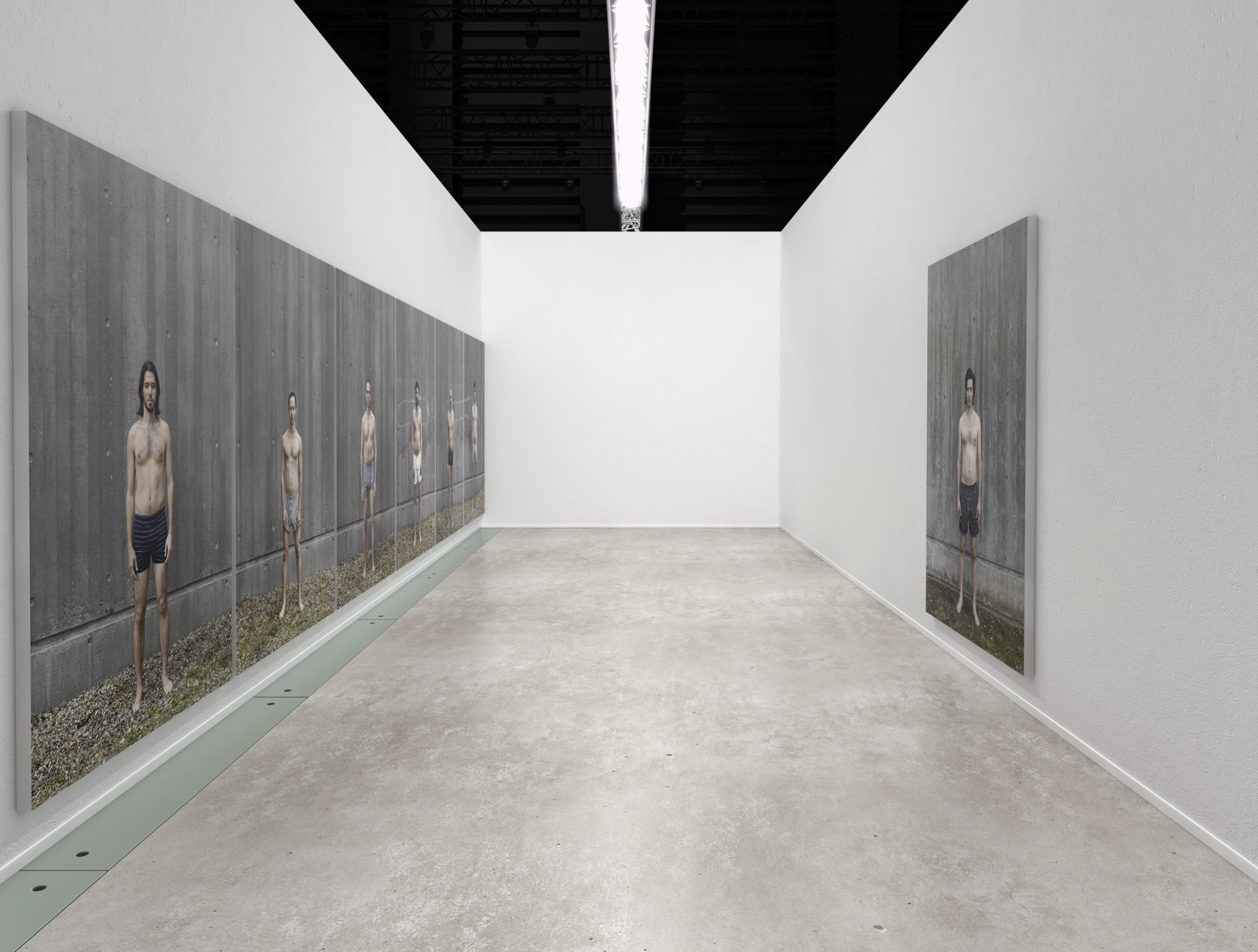
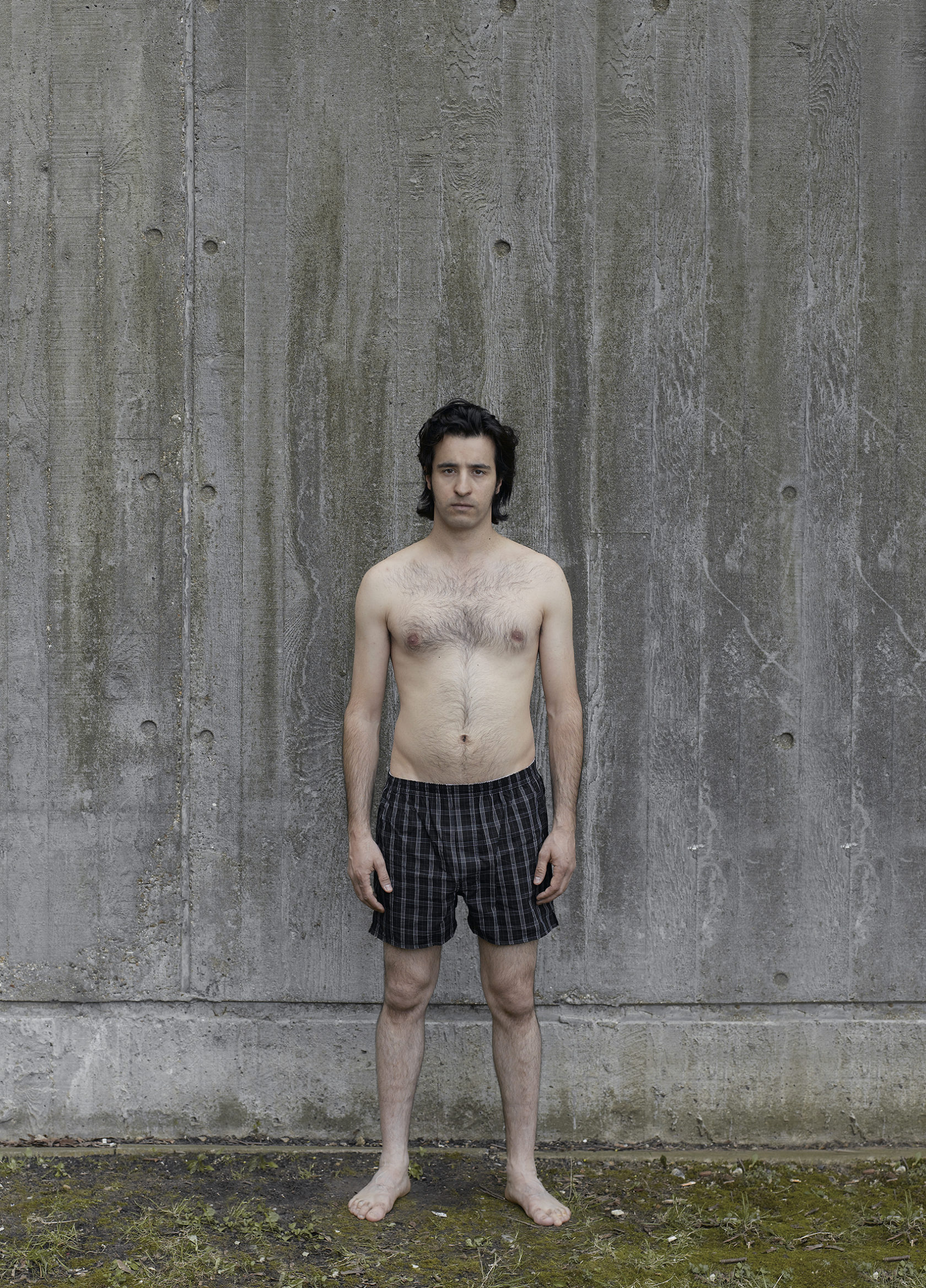
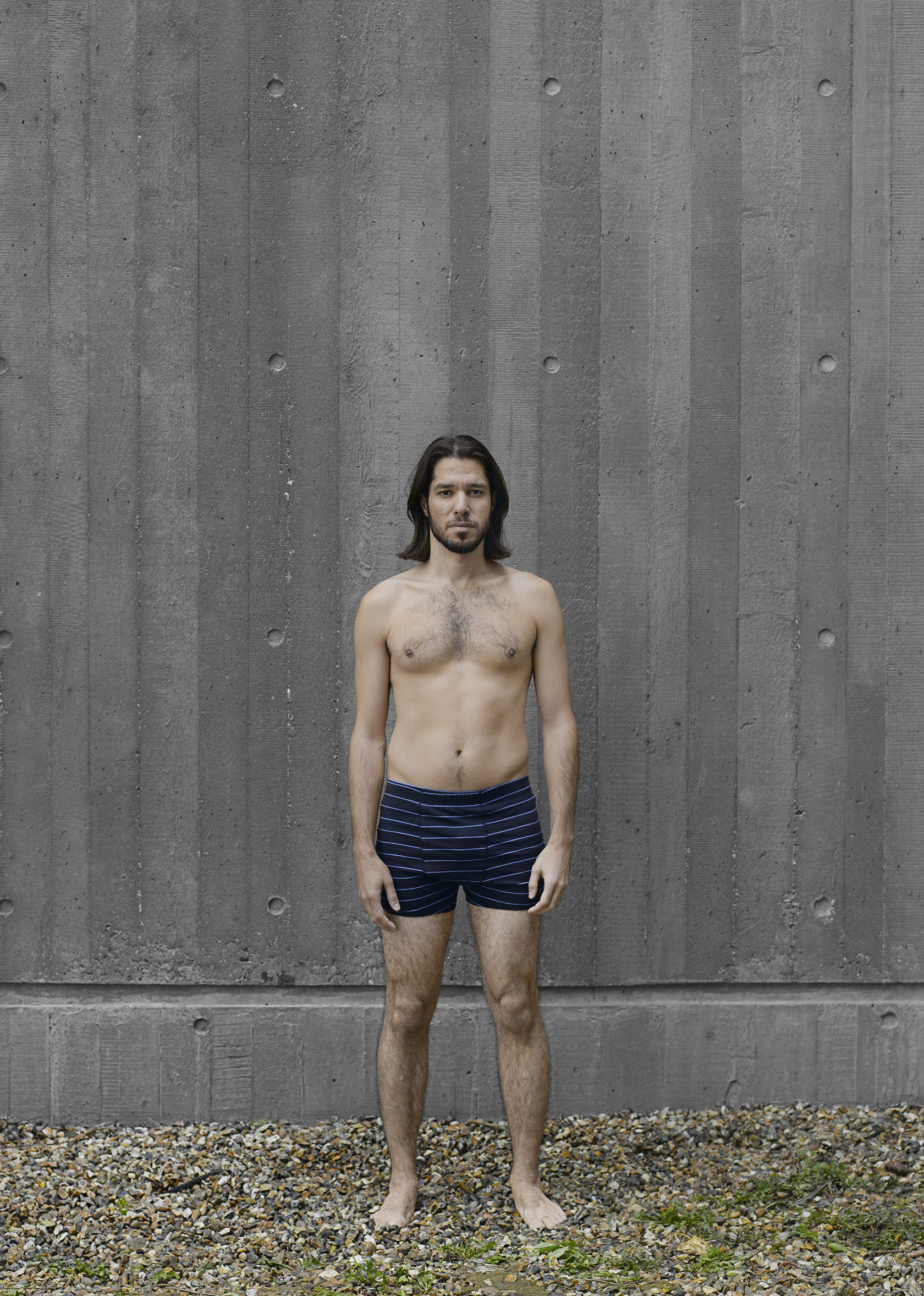
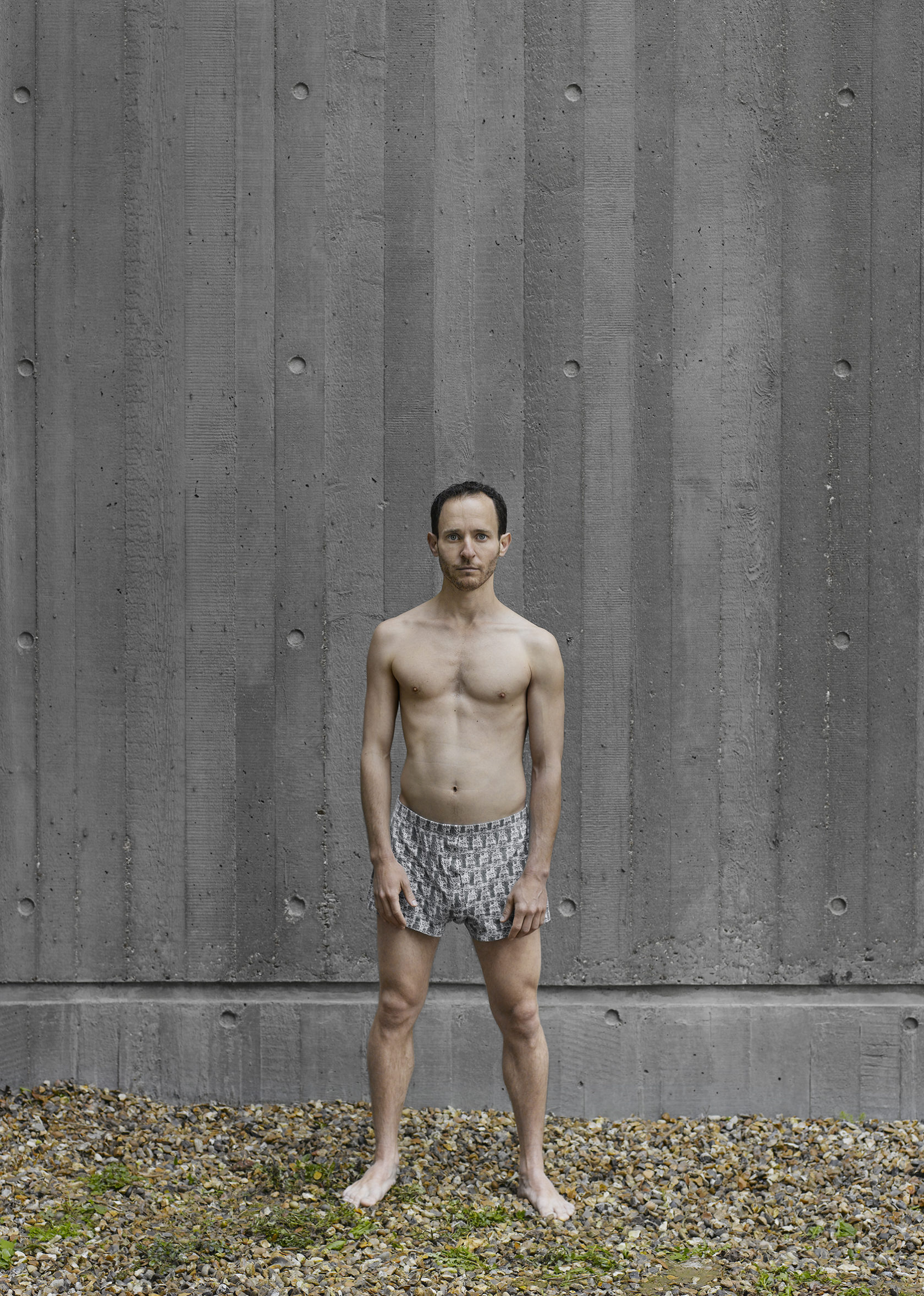
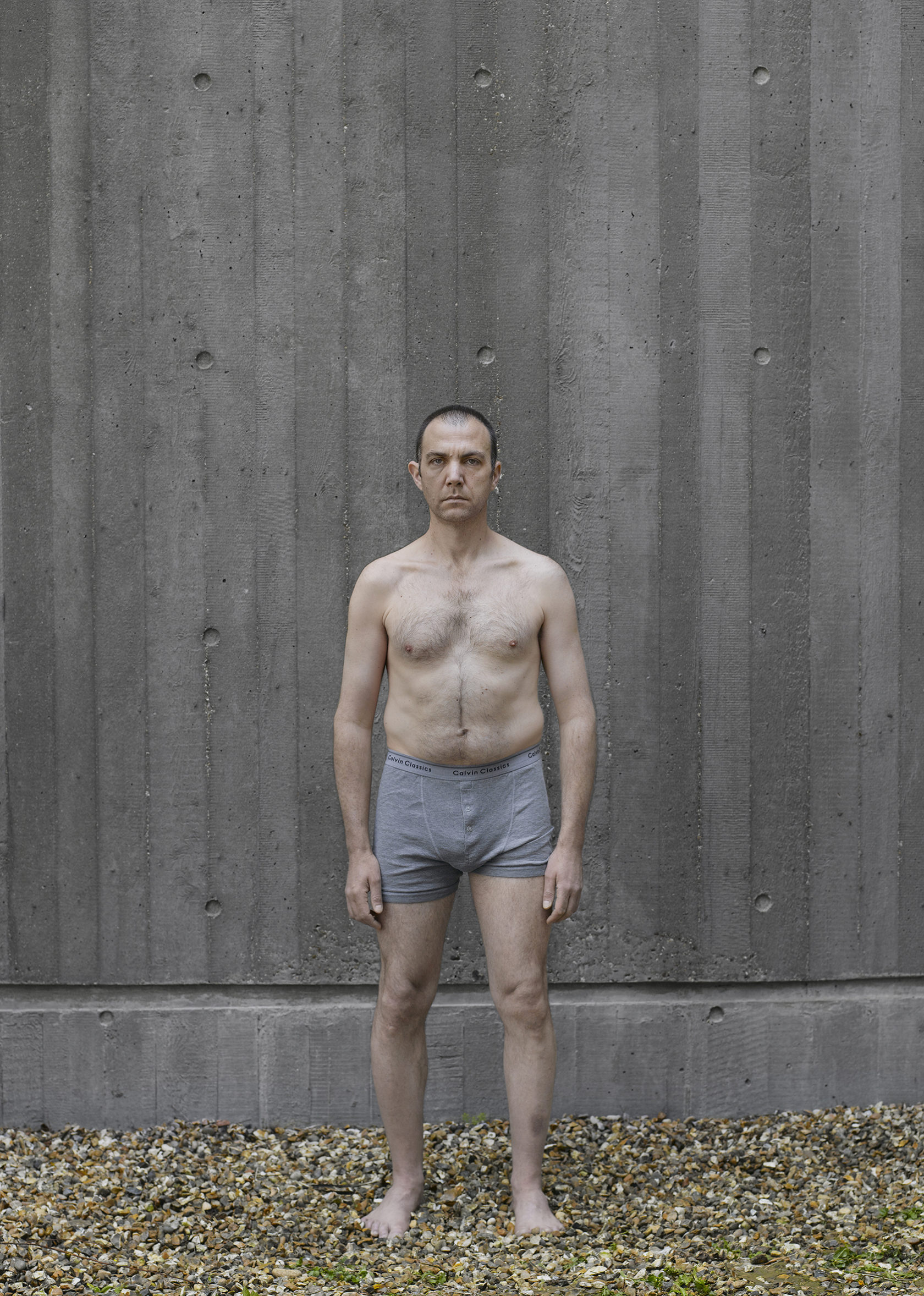
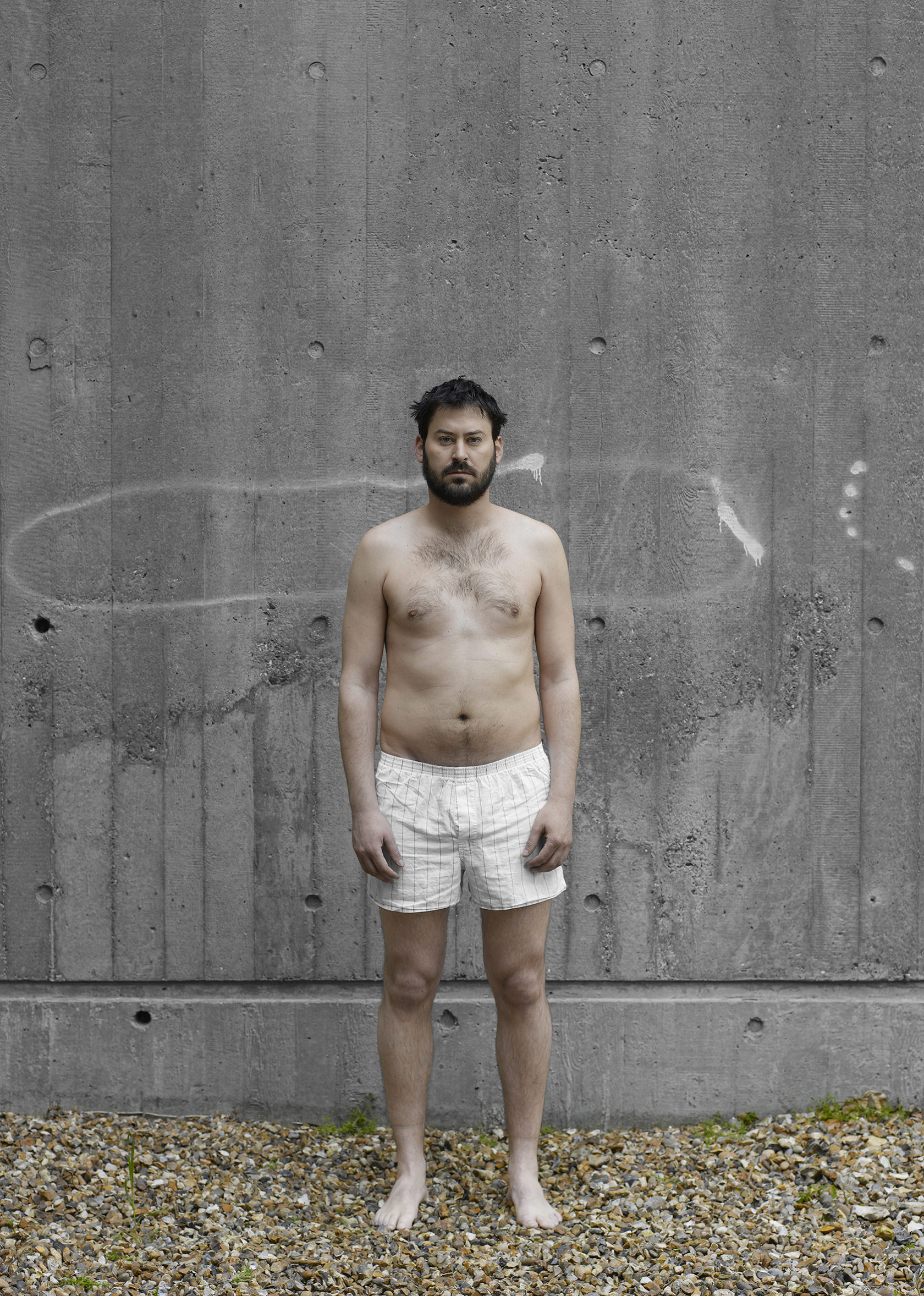
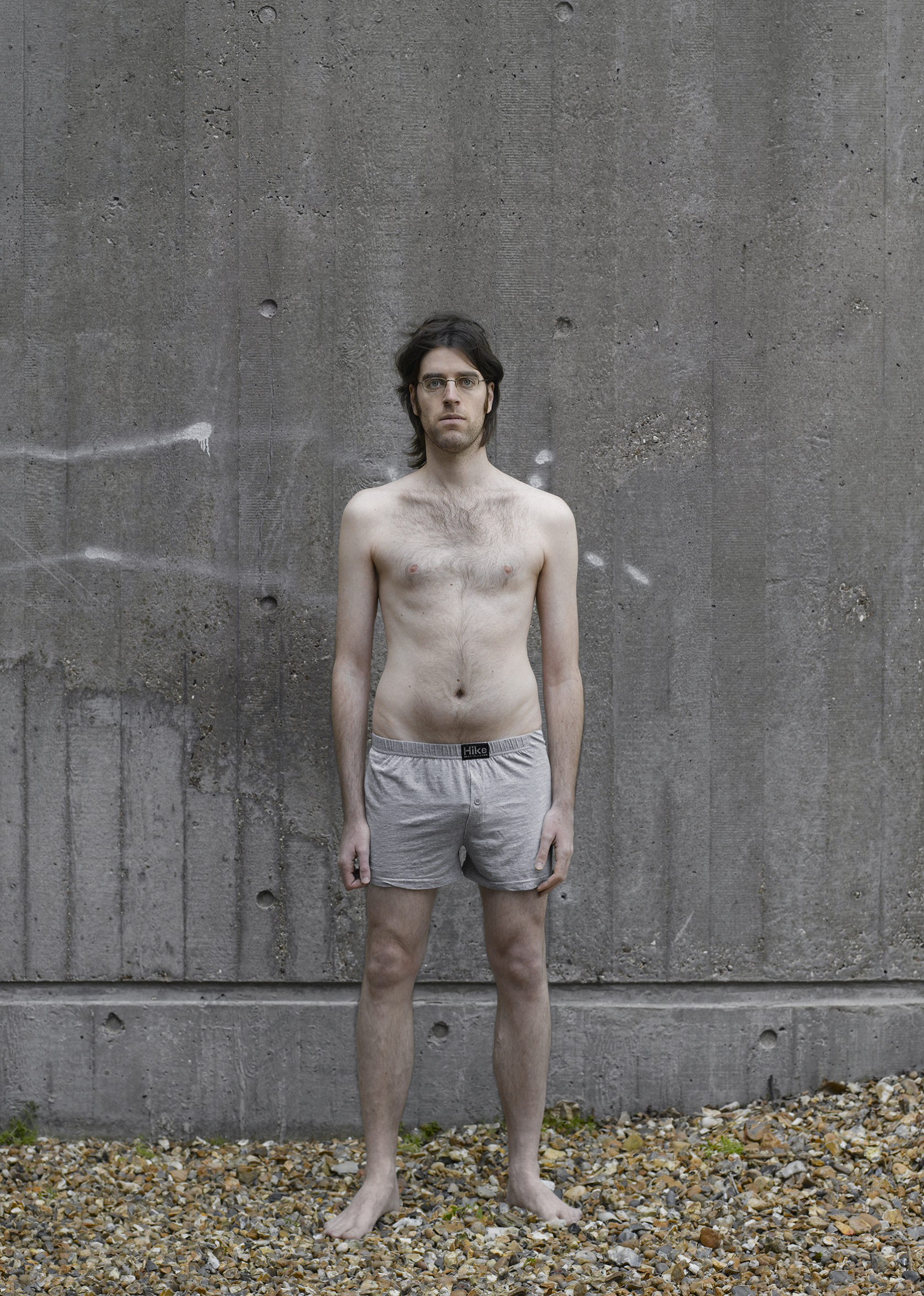
In this controversial work, the artist uses his own body in a photographic installation, together with six Israelis. Managing to convince six Israelis to take their clothes off, (including himself), and because the work is exhibited on opposite walls, the installation raises many questions on the nature of the Palestinian Israeli conflict.

It is interesting to point out that in Search artwork in 1997 Sabella shies away from Identity to a constructed imagined and invisible world, where as in 2009 he comes down to earth to Settlement – Six Israelis & One Palestinian, a project where the artist confronts 'his identity' in a thought provocative visual debate and installation.  


To shed more light on this project download the short interview (Q & A). Download Interview.
 
 
S   E   T   T   L   E   M   E   N   T

s i x    i s r a e l i s      &     o n e    p a l e s t i n i a n
 2008
Installation of life size images. The image of the Palestinian faces 
the six Israelis. That is, the work hangs on two opposite facing walls.


limited edition of 3 + 2 AP
230 cm / 160 cm each
mounted on aluminum + 5 cm aluminum edge


steve sabella portrait
 

“The writer Tami Freiman, daughter of Holocaust survivors, writes how Israel’s anxiety was transformed into an ideological instrument justifying the oppression of others and how the nation has the Holocaust breathing on its necks, in fear that it might happen again. Hence, victory for Israel against Arabs was always crucial. In everyday use, “paranoia” means a feeling of persecution unjustified in reality. Any solution between Israelis and Palestinians should also involve a psychological solution. Both nations require mental healing.

For decades we live on the same land, yet, ironically we are ignorant of each other. It is as if we live on foreign lands. Israelis manage to disregard the millions of Palestinians living on the other side, especially by the construction of the Separation Wall. Artificial hills are built to hide it, and sometimes it is painted in the color of the land to disguise it. But can one really ignore the people living behind that Wall? On the other hand, Palestinians perceive Israelis collectively, refusing to treat them as individuals, and insist that the two sides are unequal given that one side is occupying the other.

As the wall segments in the installation blend together to form another massive wall, psychological reactions are perhaps unavoidable. Israelis and Palestinians have been ‘promoting’ their struggle in constant expectation that people would generate emotional responses. Instead of dealing with core issues to end the struggle, they entered a war of emotions and representation, where each side wants to show the world the might of the Other.

Given that six Israelis are at one side and my image directly opposite to them, it is inevitable to associate the work as if they are mirroring my image and I am mirroring theirs. In the mirror stage, the infant becomes no more than a pile of parts, a fragmented body, until suddenly a process of identification occurs. The work could be read, and since we are all wearing underwear as if we are ‘adult infants’—people who suddenly realized the existence of the Other. The fragments of six Israelis form one body (me), and my image is fragmented into six bodies. Hence, such an installation creates a problematic concept, which is unsettling. This mirrors the state of tension and identification-conflict Palestinians and Israelis live in. We are all searching for the ideal self. The question is how to locate it.

This installation, which could also be considered an act of introspection and interrogation, will create a clash between the two words ‘Identity’ and ‘Identification’. Israelis might see the images of Jews as a form of a national Identity stripped bare. Palestinians might consider ‘my cooperation’ with Israelis as a sign of defeat, or possibly even as another form of settling accounts. By creating this visual and opposite imbalance, with the concrete wall as a metaphor of separation and indistinct difference, this work will trigger many questions: demography and settlement; suicide bombers and the consequent stripping of Palestinians by Israelis in search of them; borders, security and the restriction of either side to cross to the other side, control, among others.

By having such an installation of Israelis facing a Palestinian, we are confronting each other’s ‘Otherness’—face-to-face, and right to the core. The borders whether mental or physical, might move aside and a dialogue of a different nature might take place. Perhaps it is inevitable to the spectator who stands in the middle of the installation to wonder on whose shoulders lies the responsibility for resolving this conflict."

Steve SABELLA


To shed more light on this project download the short interview (Q & A).

DOWNLOAD INTERVIEW PDF


This work was reviewed in Zenith Magazine by Doerthe Engelcke in Jan. 09 (in German).

DOWNLOAD REVIEW PDF


SETTLEMENT - Six Israelis & One Palestinian reviewed by International Gallerie magazine, Feb 2010

Convincing six Israelis to strip for him and stand in their underwear, Sabella creates an artwork that is uncommon in the region as it shifts from ubiquitous views of ‘Nostalgia’. Instead, it engages the viewer in a strong visual debate and thought.

DOWNLOAD REVIEW PDF


The Artwork is also Reviewed in these Retrospective Reviews:
 

Steve Sabella - The Journey of Artistic Interrogation and Introspection
Retrospective Review by Yasmin El Rashidi
Contemporary Practices Journal, VI, 2010


Sabella creates an experience that questions the viewer, prodding thought on the very nature of the Palestinian-Israeli conflict, and on the reality of the collective versus the individual. Raising questions about the nature of how our minds work in the face of conflict, and how paranoia is induced and fear of the other evoked, through this work Sabella urges viewers to step back and reconsiders the single self: The self, separate from the battlefield of stereotypes and visual myth.

DOWNLOAD REVIEW PDF


Steve Sabella
Retrospective by Martina Corgnati
Review Contemporary Practices Journal, VI, 2010


His latest project called Settlement – Six Israelis & One Palestinian. The title itself is problematic, and the problem grows when the viewer finds himself in the middle of a narrow gap between two walls, surrounded by the image of two concrete walls, and in front of them the life size pictures of six men (on one side) and another (on the other side), all wearing just underpants. The title informs us about their identity that would obviously be left unknown, since all the superstructures, and the accessories that give shape to the world displaying one’s identity, have been swept away...

With his work Sabella has been able to go beyond every cliché ; as he himself says, he got rid of all the "nostalgic layers that gave shape to many works realized in Israel and Palestine", in order to push himself on to a different border; not an emotional border, but a border of consciousness. “... We are confronting each other’s‘Otherness’—face-to-face, and right to the core. The borders whether mental or physical, might move aside and a dialogue of a different nature might take place

DOWNLOAD REVIEW PDF