S t e v e S A B E L L A
|
In Exile artwork (2008) was about the state of mind of living in permanent mental exile. It was about fragmentation, disorientation, confusion and dislocation. Sabella tries to give a visual form to his life as exile & alienation are at the core of his life and accordingly his art. It seems that Sabella has managed to slowly GLUE his fragments so that they appear complete in a healthier way. Before, they were torn apart in every direction, where now they make some form of a unity. Hence, 'he is more stable'. He writes: I think at this stage of my life, I managed to transcend this state of mind. Just like my journey to penetrate my psyche to give a visual form to my fragmented state of mind for the IN EXILE artwork & others, it occurred to me that I should journey to the beautiful side of my brain and unlock the aesthetic and beauty buried there and give these a visual form. I feel I am IN TRANSITION - in a new state of mind - euphoria |
|
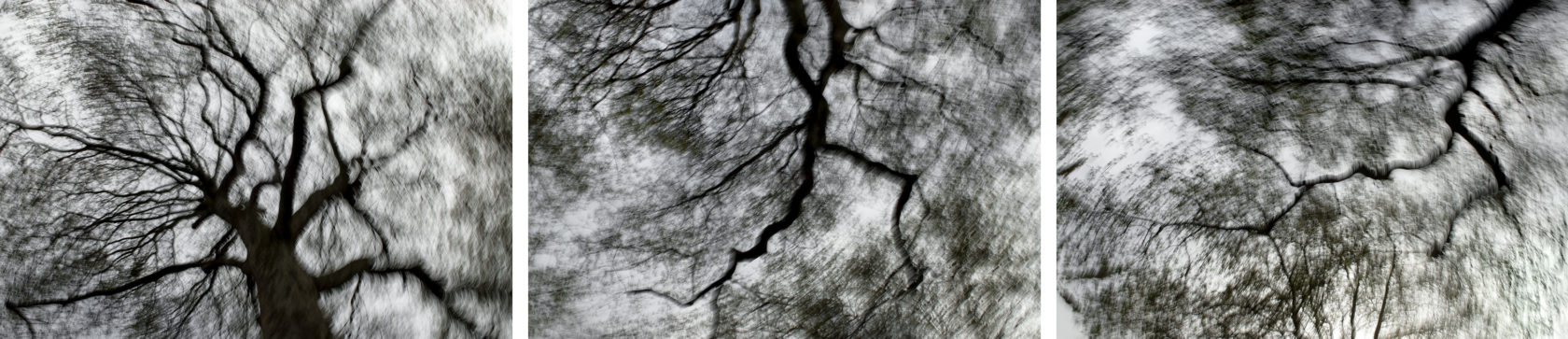
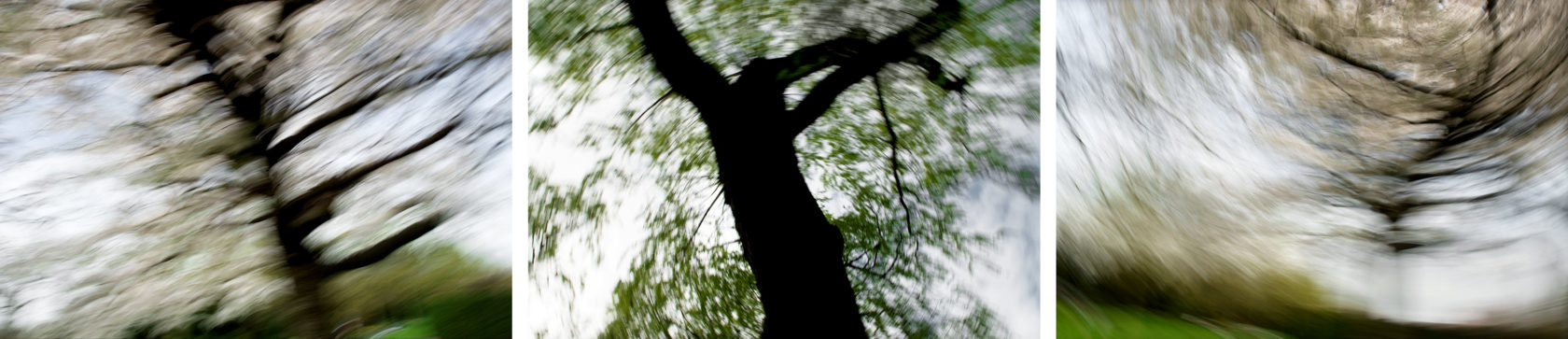
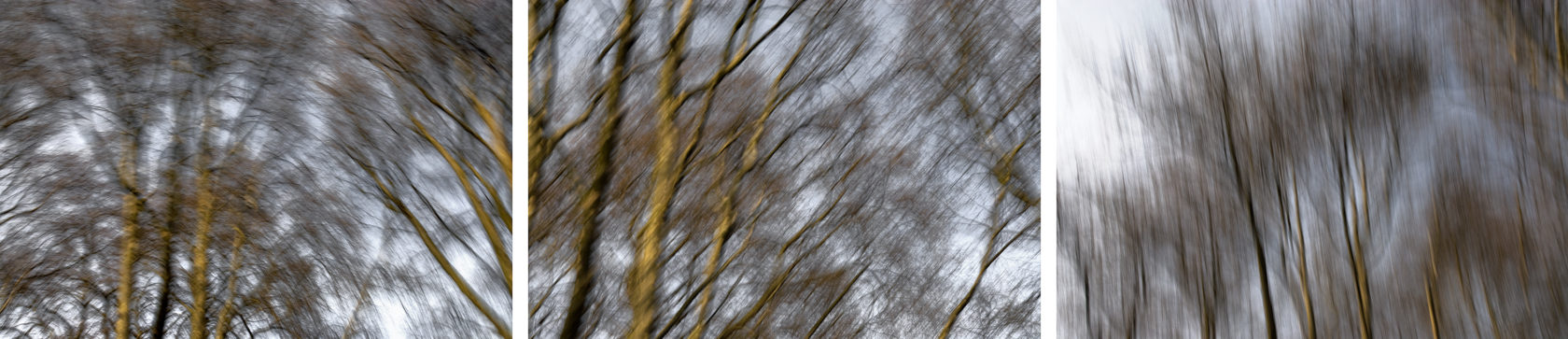
i n t r a n s i t i o n 2010 THIS WORKS IN CONJUNCTION WITH EUPHORIA |
||
![]() |
||
![]() |
||
![]() |
||
Photos from the Exhibition Euphoria & Beyond at the Empty Quarter Gallery in Dubai. click here for more details |
||
RELATED REVIEWS |
||
EXODUS AND BACK (2011) In Exile’s subject matter metaphorically takes on themes of entry and exit, openings and closings, inside and outside. he was relieved, happy even, but unaware of what would come next until a chance discussion with a friend in dubai in 2010 became the proverbial Pandora’s Box and BOOm! In Transition came next, stemming from an aware- ness that, “there is no need to create art just from depression.” Sabella’s hands shook as he shot trees and grass in london – elements chosen for their organic quality and their allusion to growth, movement and change. Some areas of the imag- es are heavily blurred, while others are distinctly clear – an intentional pictorial definition of the series’ name. One cannot dispute that the work suggests a phase-like, in-limbo, quality. |
||
The Empty Quarter Gallery In contrast, the Euphoria triptych is a joyous retinal explosion. Cut and assembled from hundreds of fragments of trees, like those shown In Transition, the resulting photomontages of organic fluidity emanate cathartic relief and a transcendence of the state of ‘mental exile. |
||
Euphoria and Beyond The series “In Transition” relates to early phases of this new state of mind, one of greater lightness, filled with the effort to “unlock the aesthetic and beauty” buried in the artist’s brain. Light shines through the branches of trees, caught in floating movements, ephemeral and fragile like the first rays of morning light after a long and dark night. Here, a cautious hope enters Sabella’s universe, a hope that gains in momentum in “Euphoria”, a triptych celebrating the euphoric deliverance from the mental bonds of anxiety in what might be called a “mental heterotopia” |
||
Steve Sabella: In Exile "...These contorted passageways through his own psyche led the artist to the roots of his wounds and gave him an inkling of the possibility of healing. While the destructiveness of being uprooted was at the center of In Exile, Sabella’s newest works move, release and liberation into the foreground. Euphoria (2010) alludes to the blissful feeling of being freed of mental fetters. This feeling – possibly short-lived, as the artist himself concedes – is expressed in playful-seeming, uprooted trees..." |
||
Steve Sabella in Conversation with Sara Rossino (2011) My life is what leads my practice. All my artworks since the mid 1990s are like a narrative and it is enough to go through the titles to develop a picture of my life. Since that time, I have been going through endless stages of self-introspec- tions. Notice the title of my first major artwork in 1997 was Search, then Iden- tity (2002), End of Days (2003), Till the End (2004), Jerusalem in Exile (2005), Exit (2006), In Exile (2008), Settlement Six Israelis & One Palestinian (2008), In Transition (2010), Euphoria (2010), and Beyond Euphoria (2011), to name a few. Any reader would notice that there is a narrative unfolding which is personal, and in many ways my work acts like a vi-sual novel. |
||