home

artworks

biography

contact

Calendar

Past Events

REVIEWS


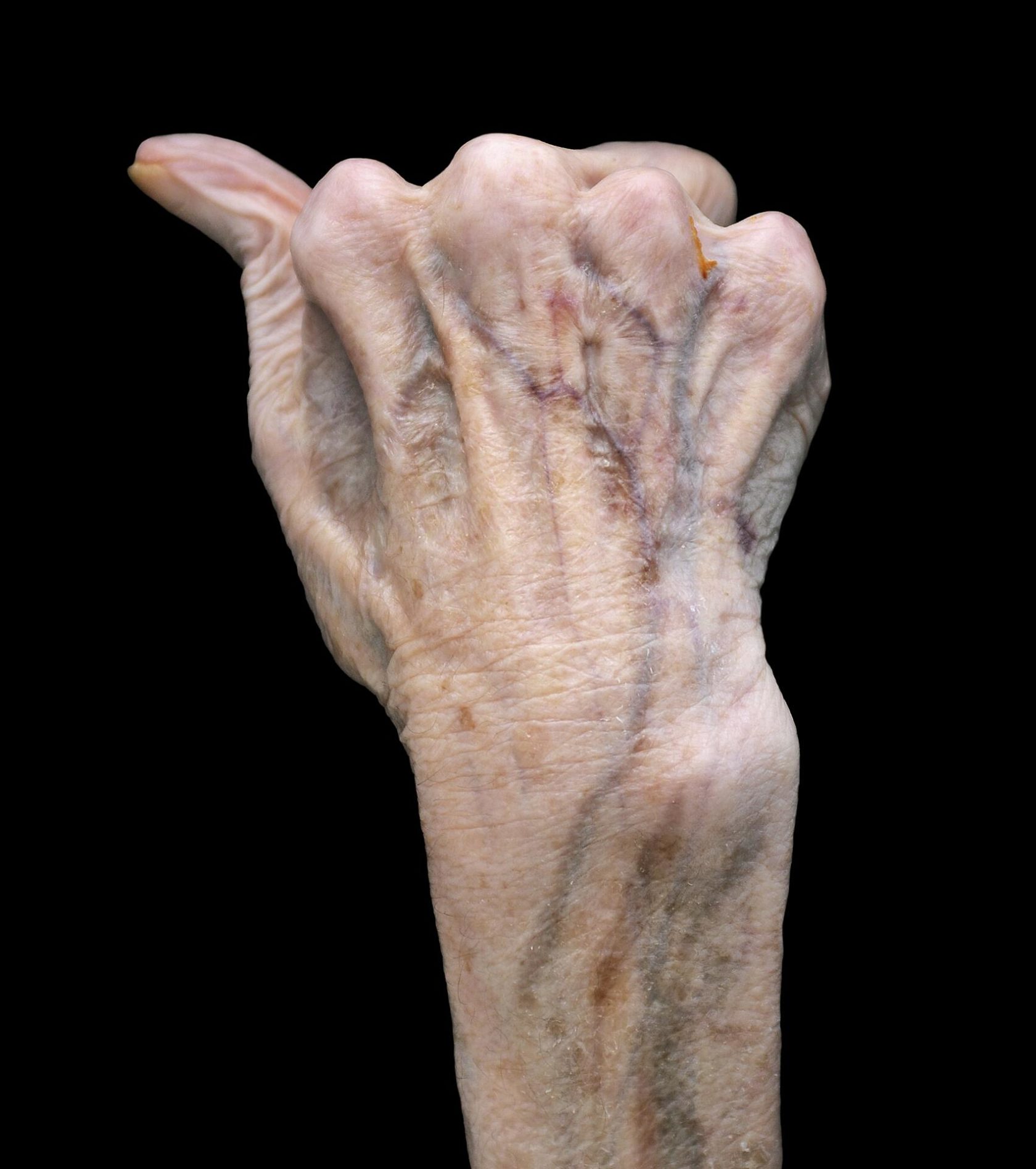
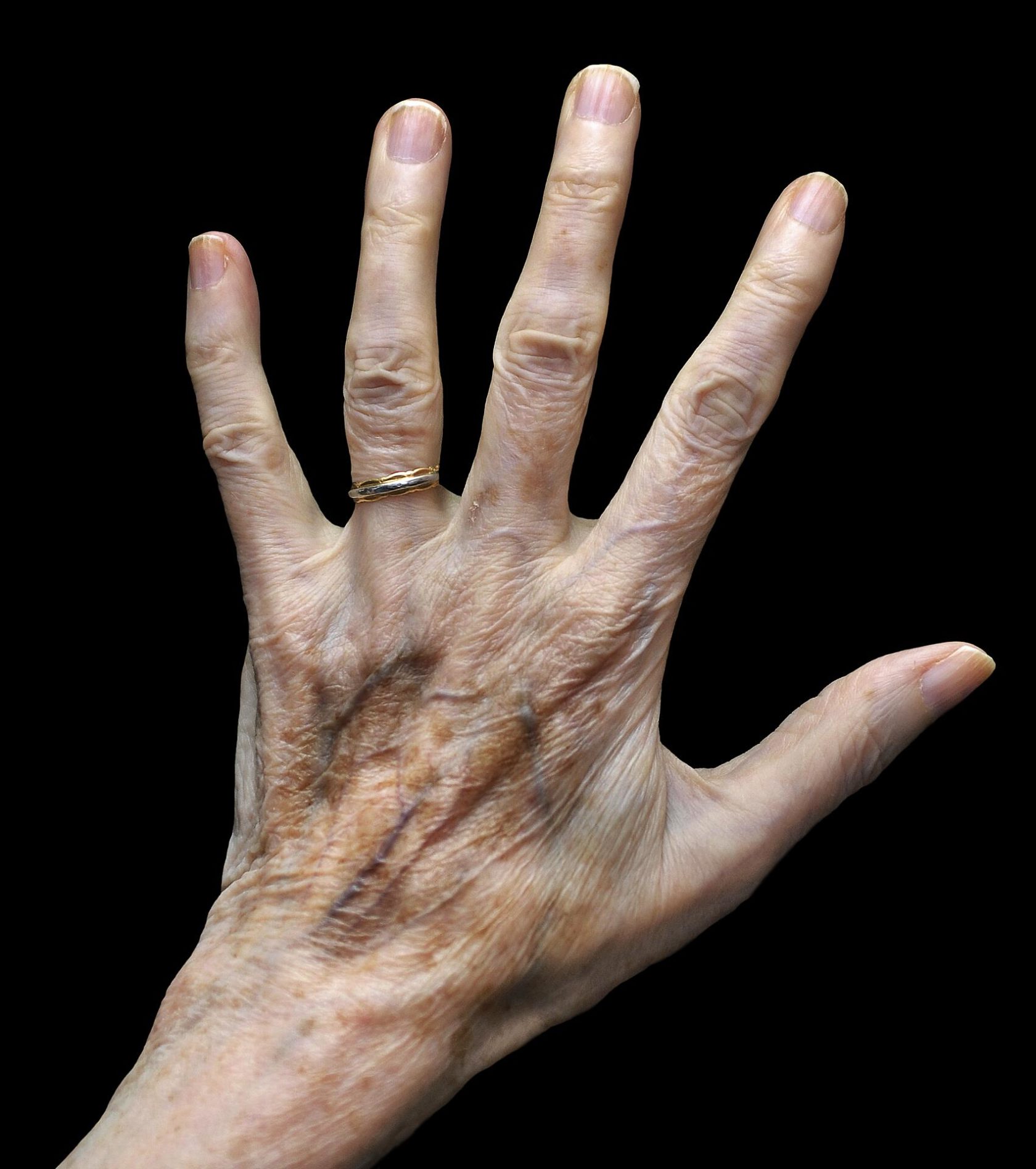
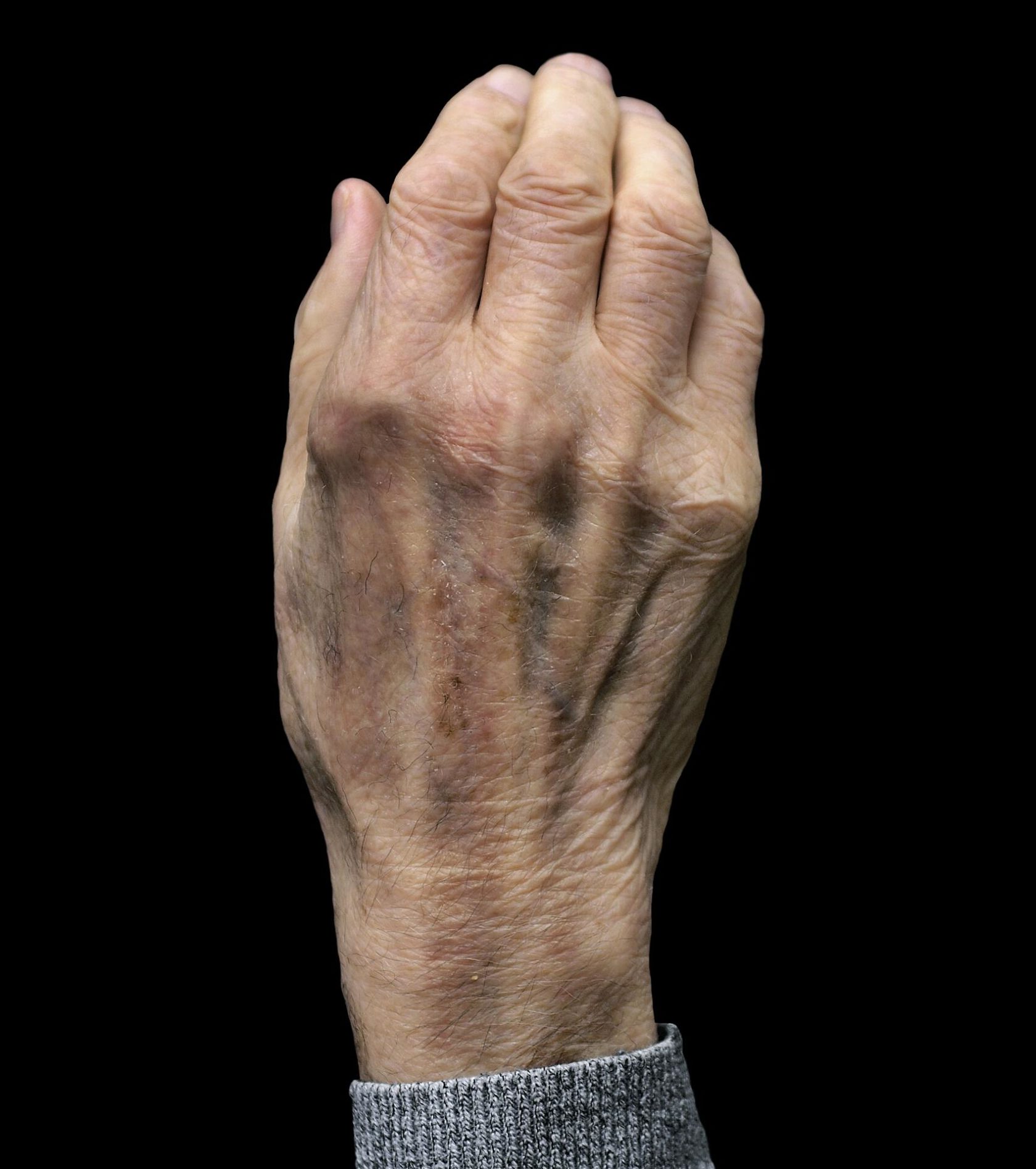
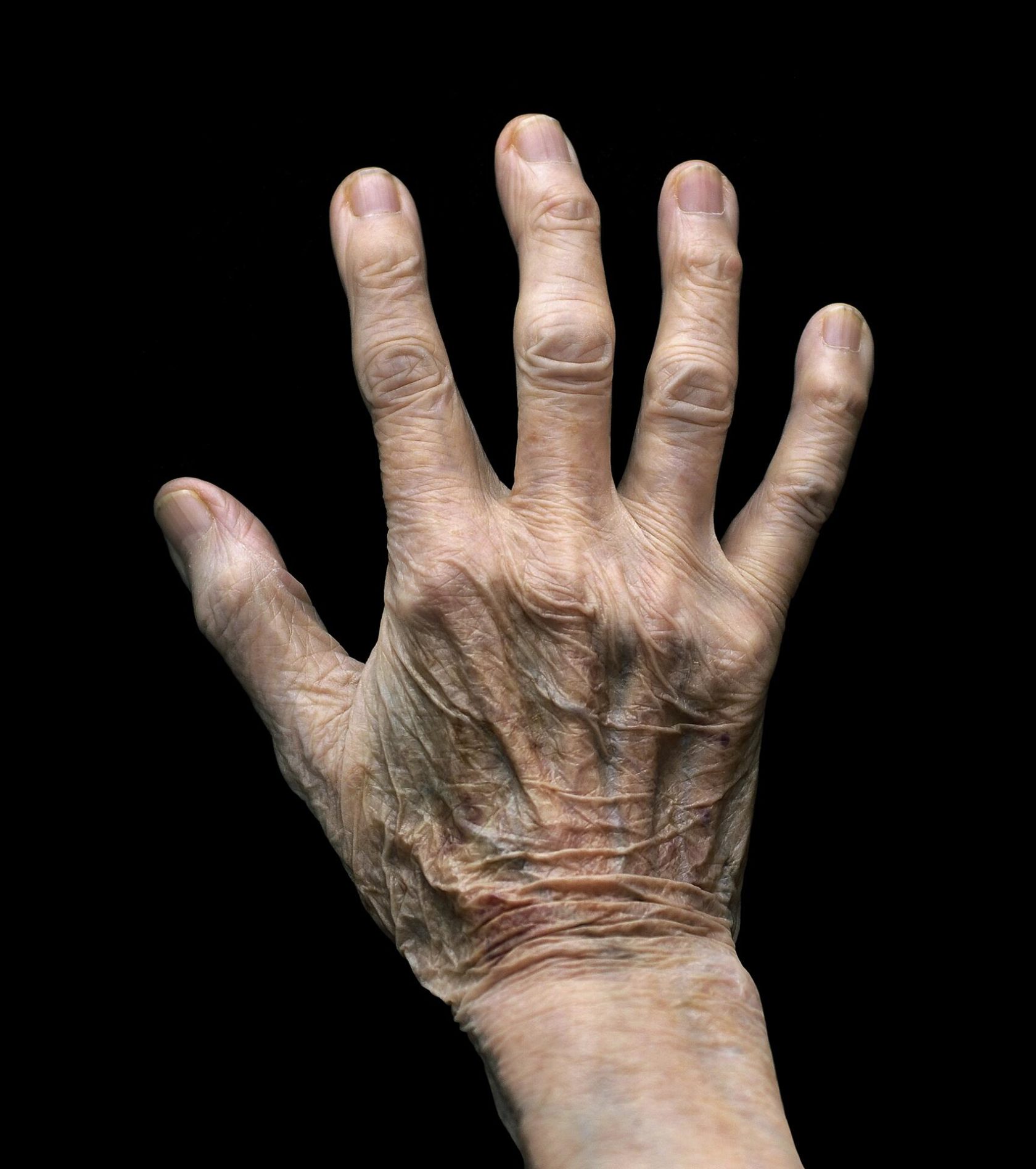
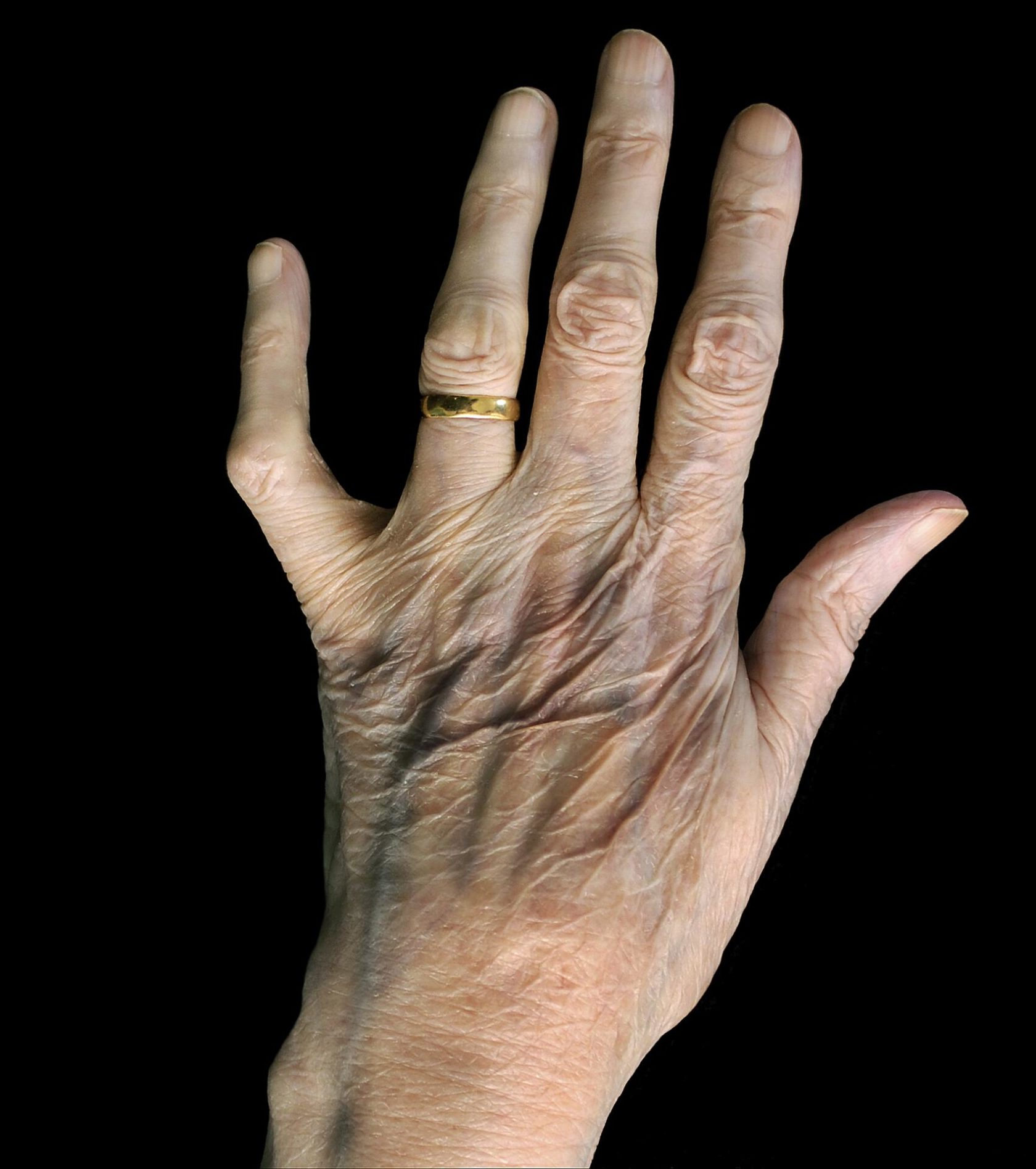
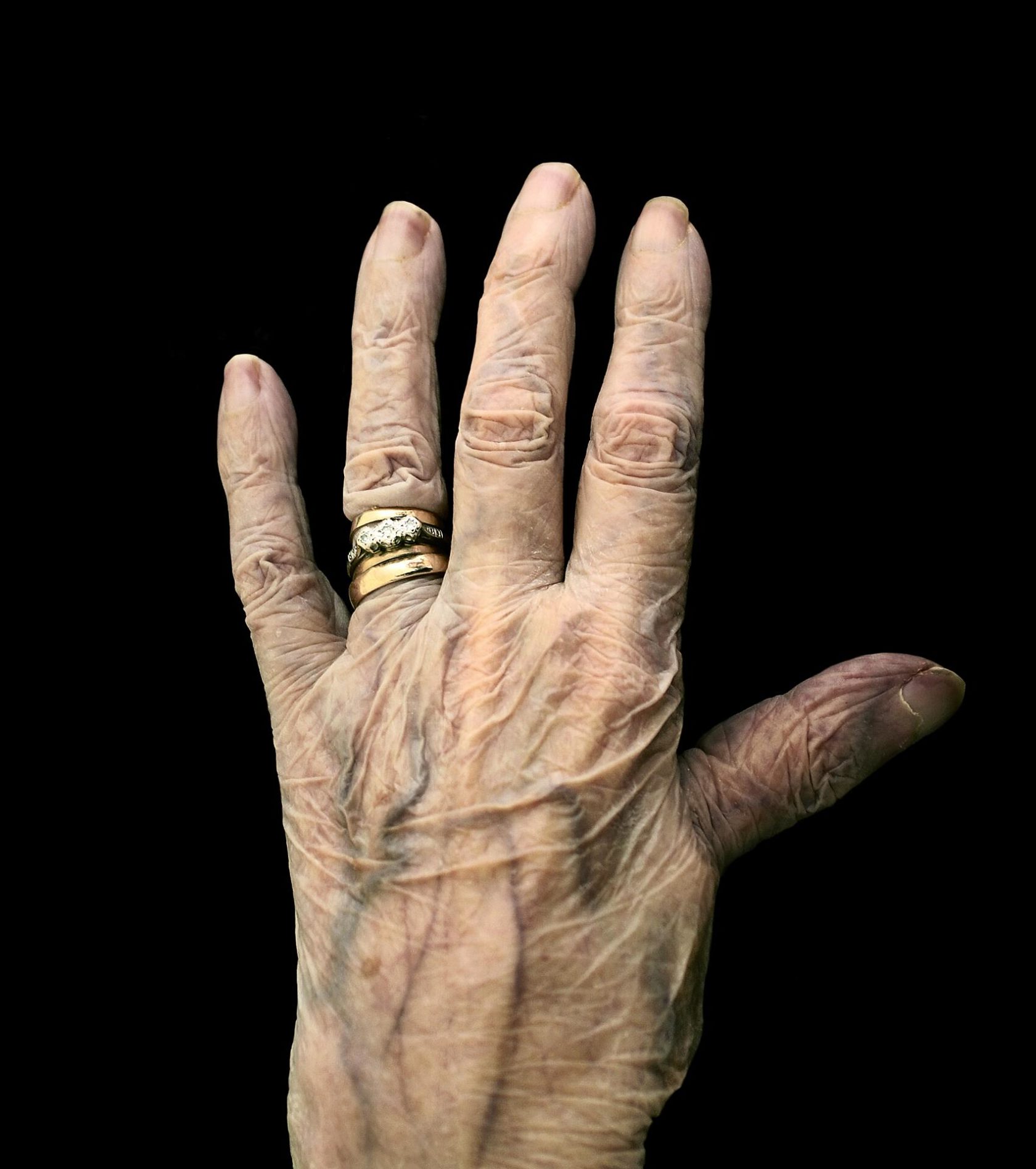
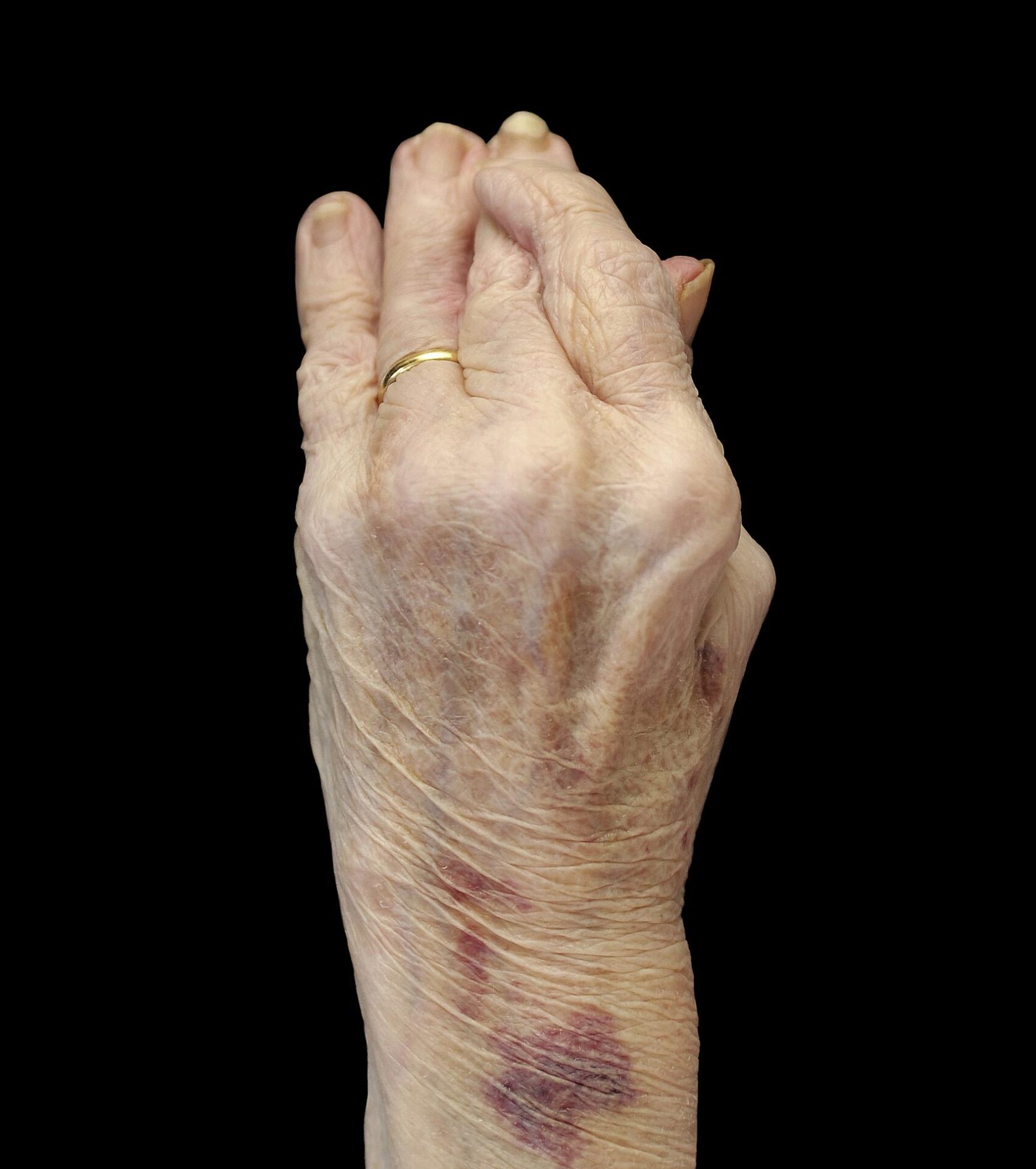
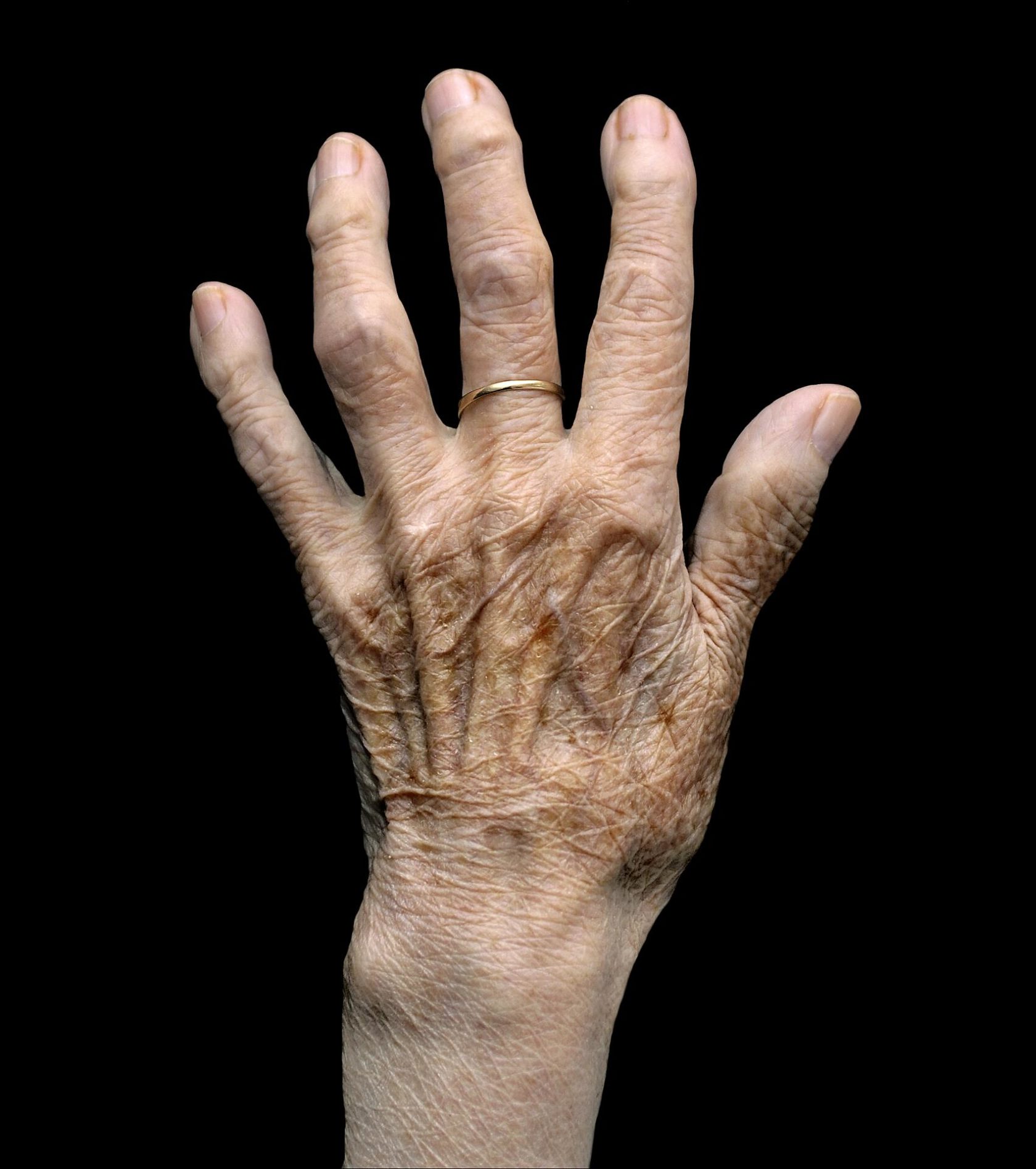
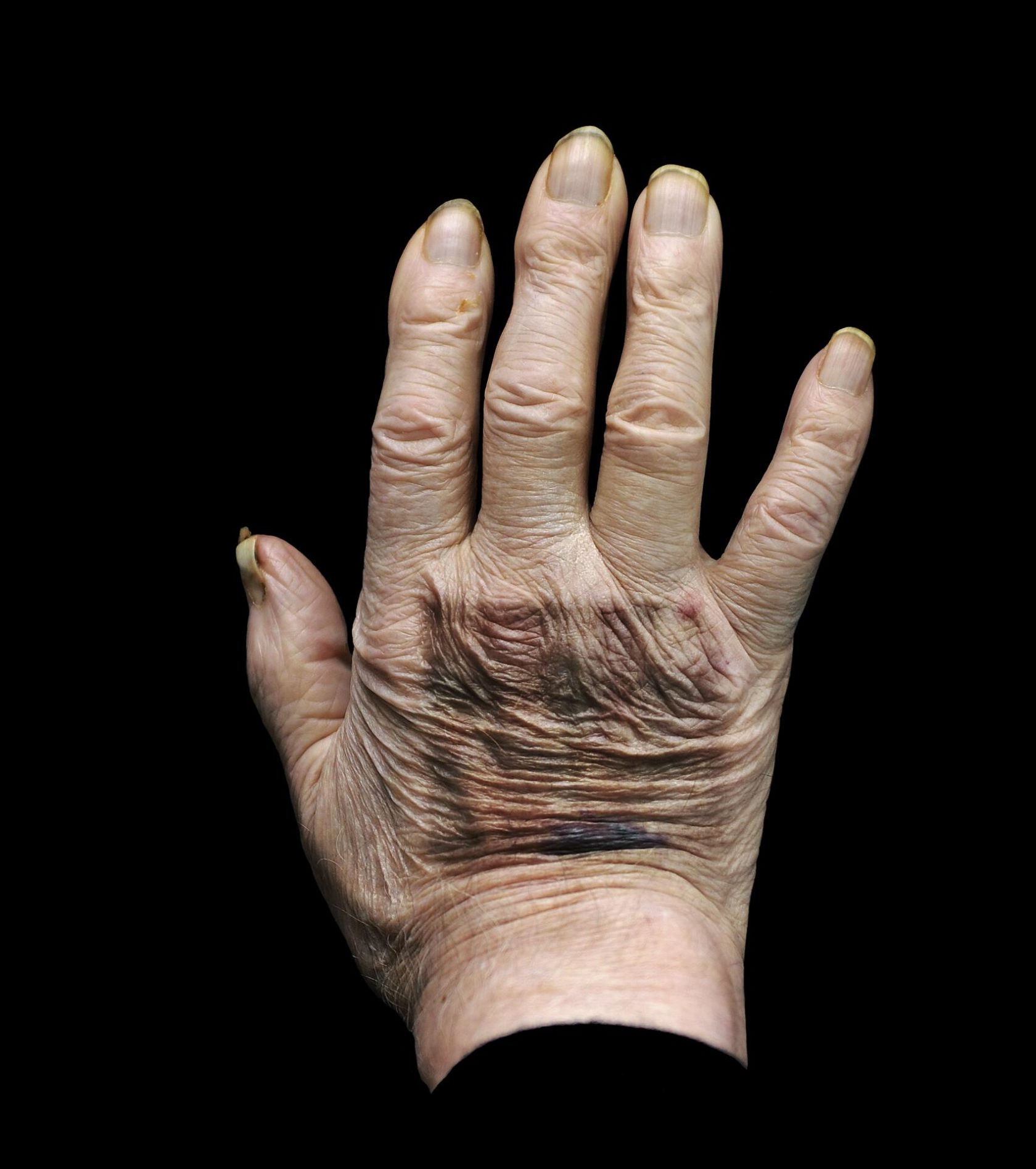
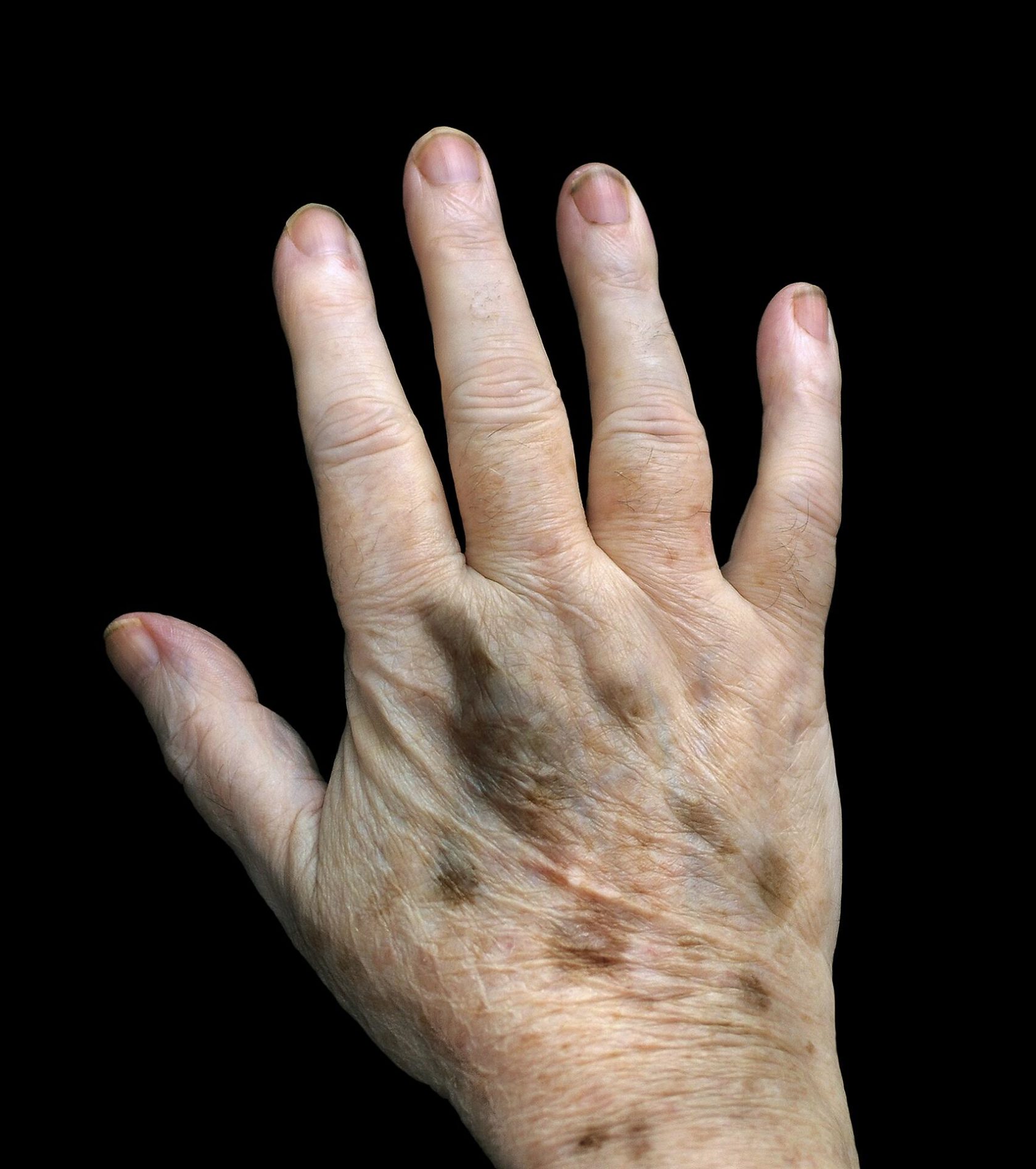
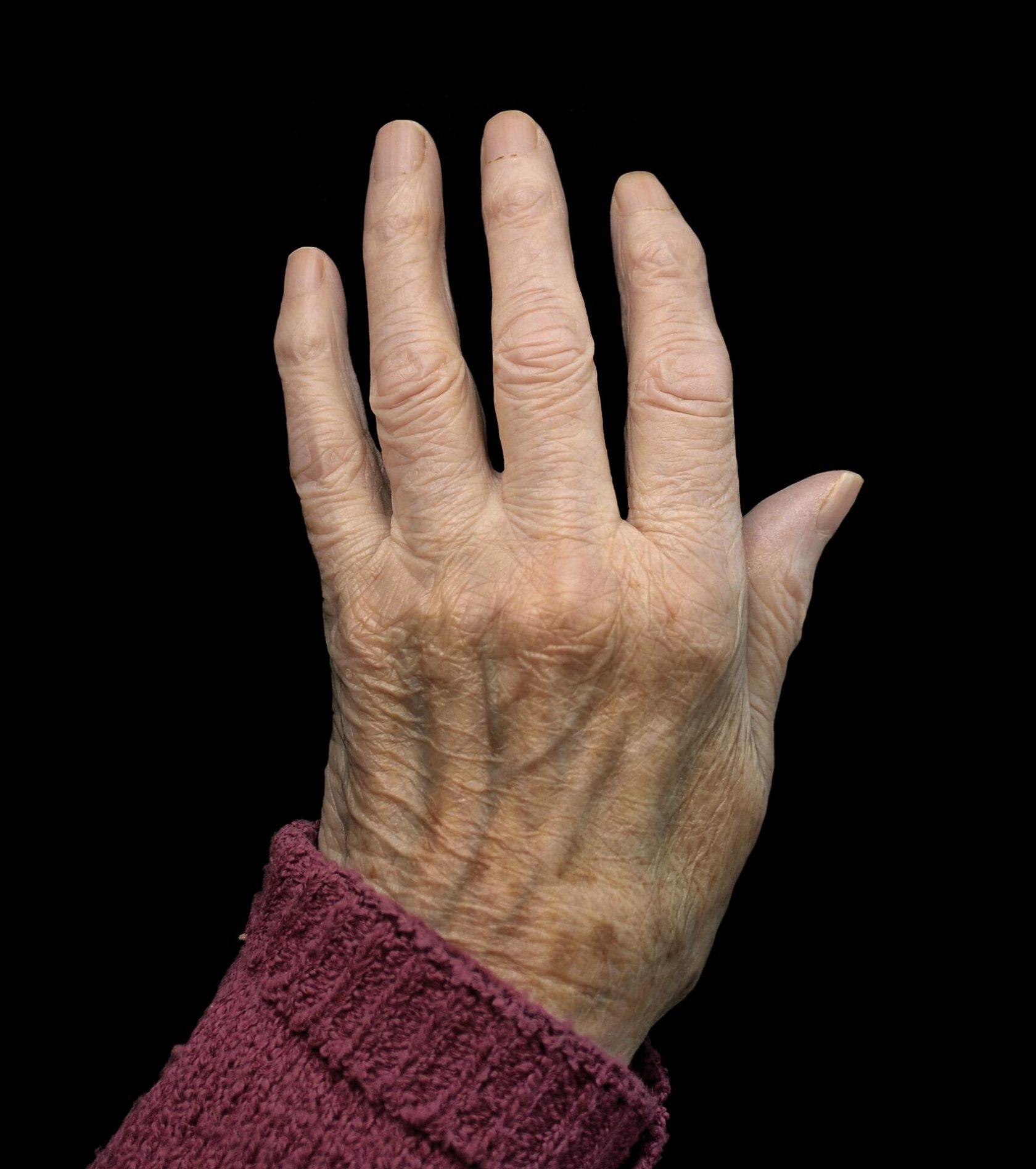
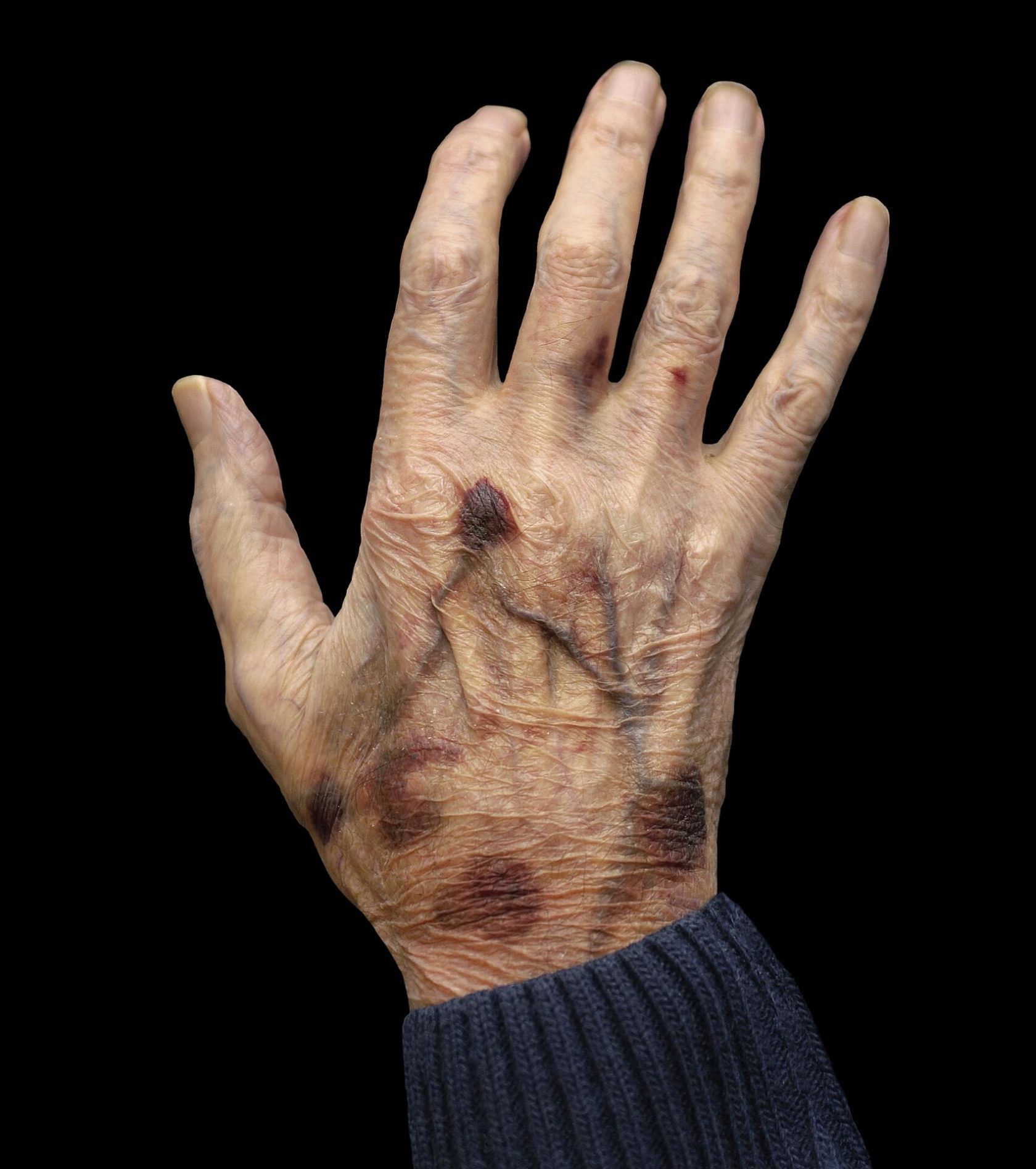
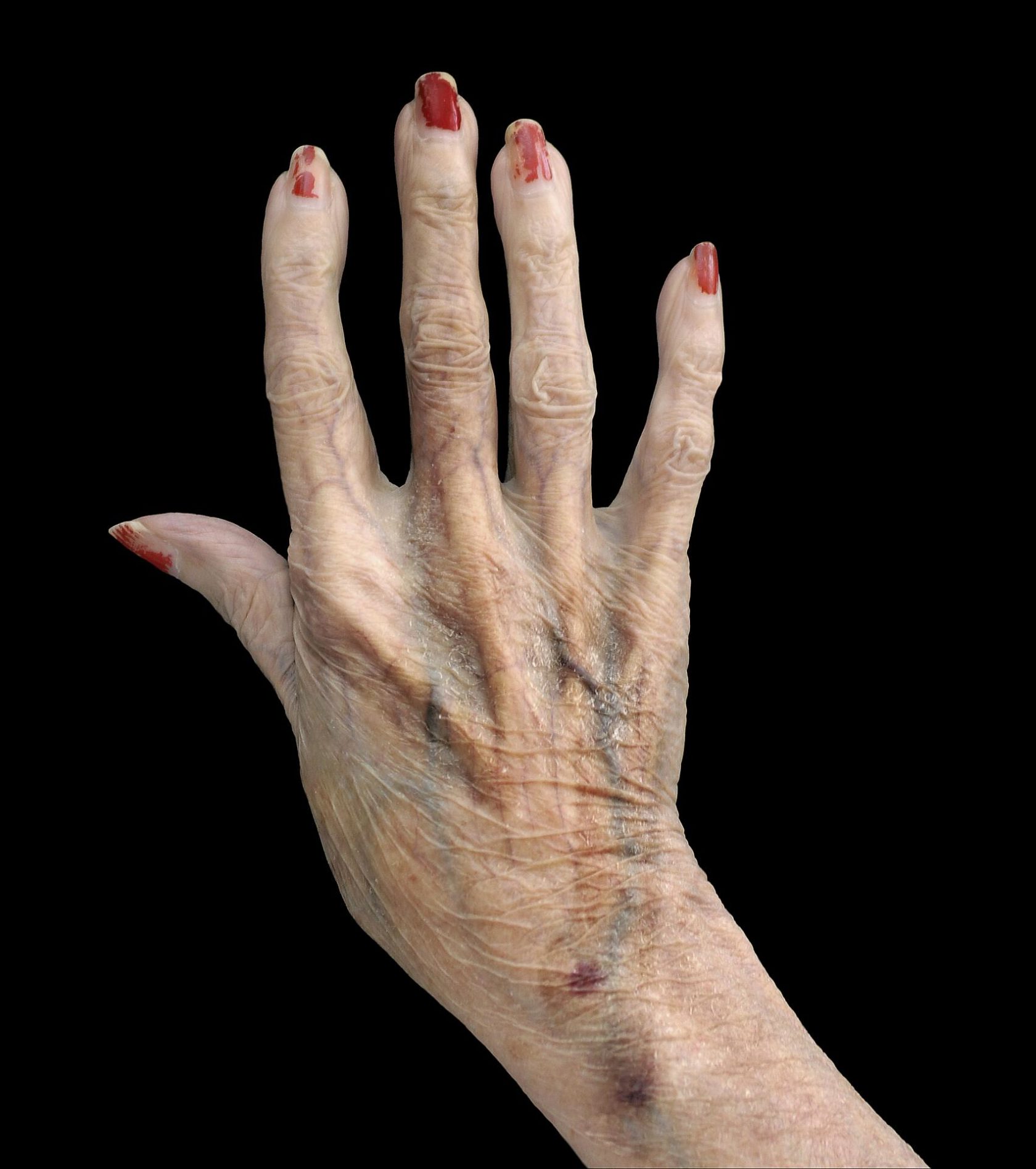
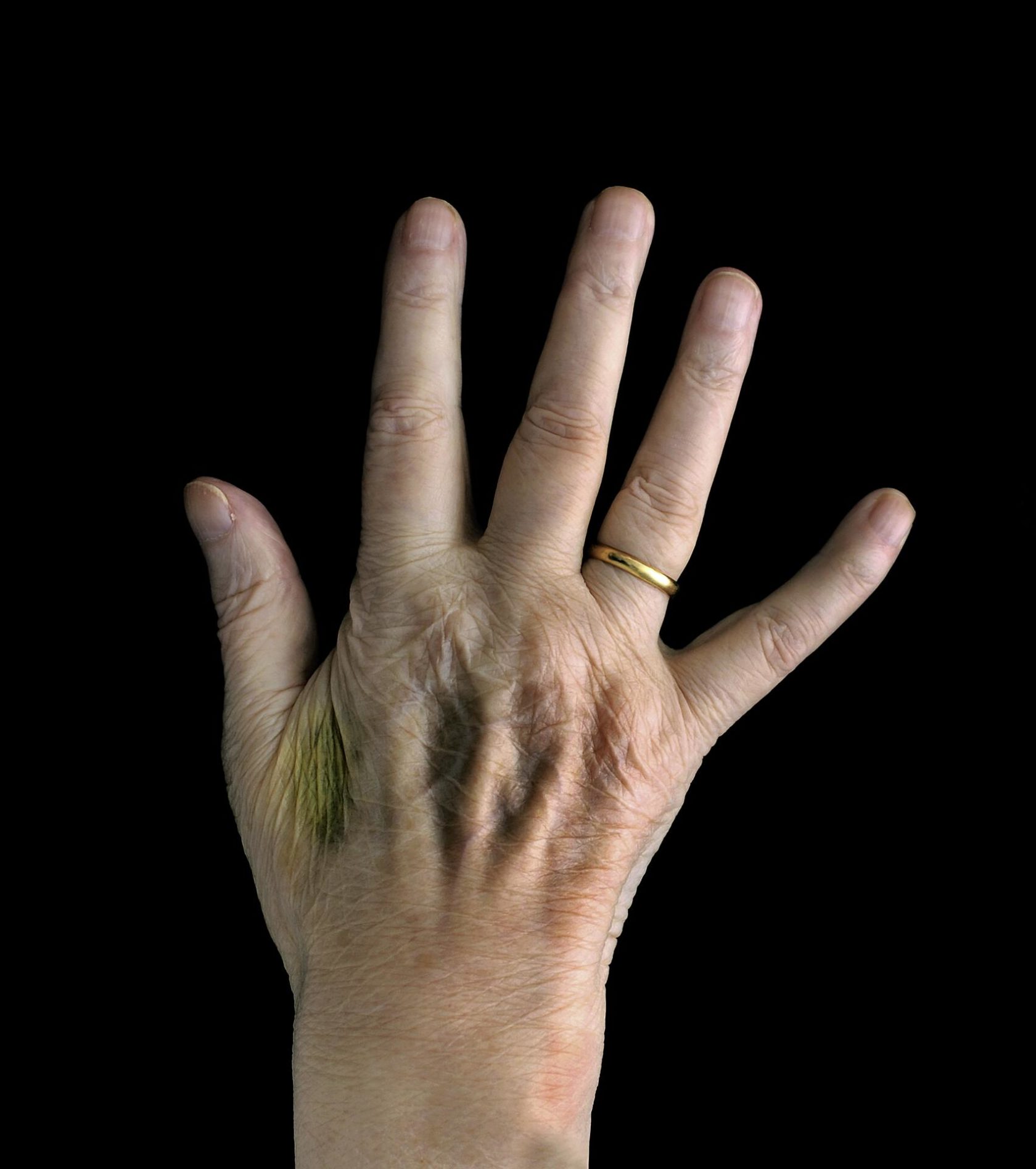
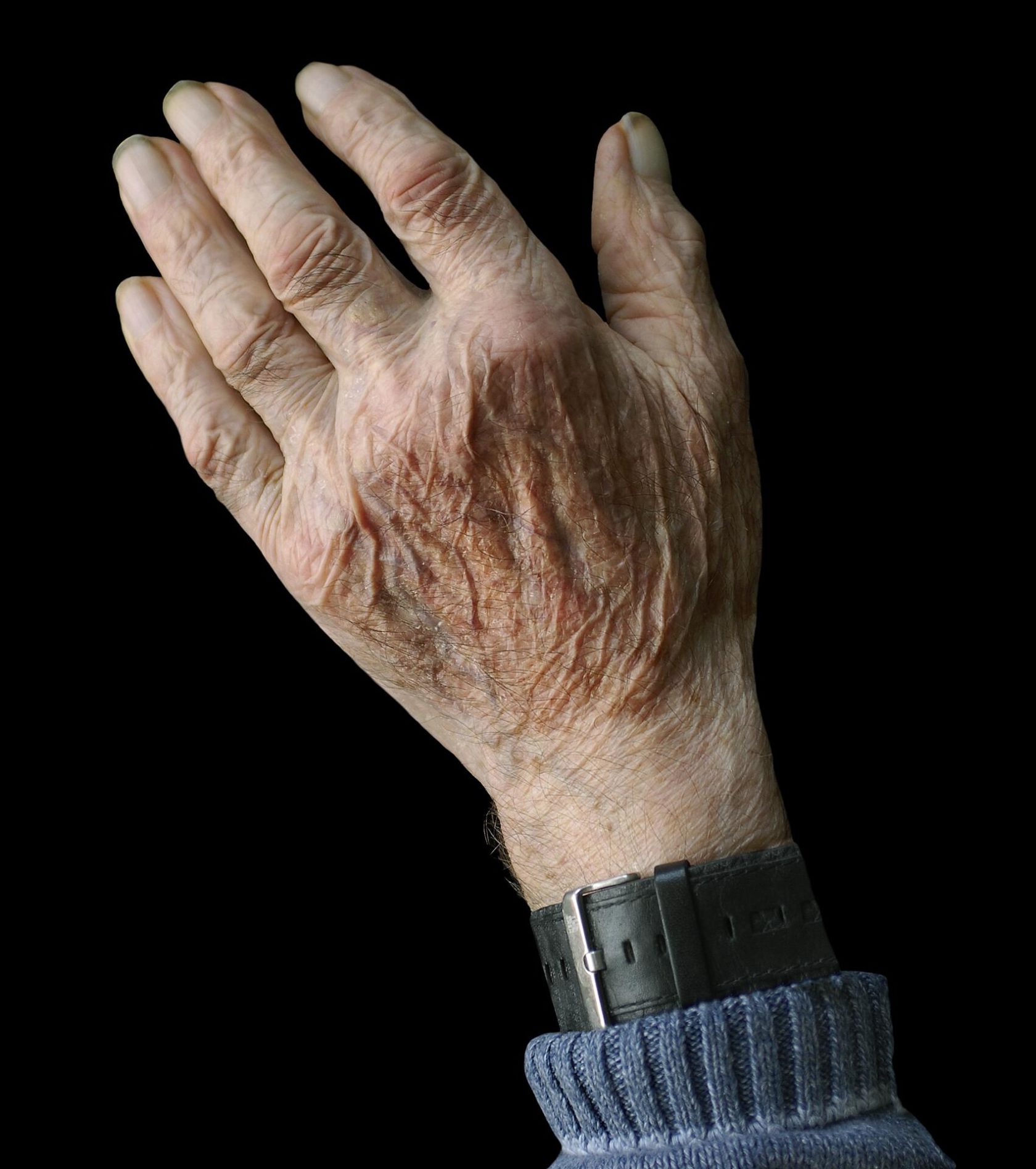
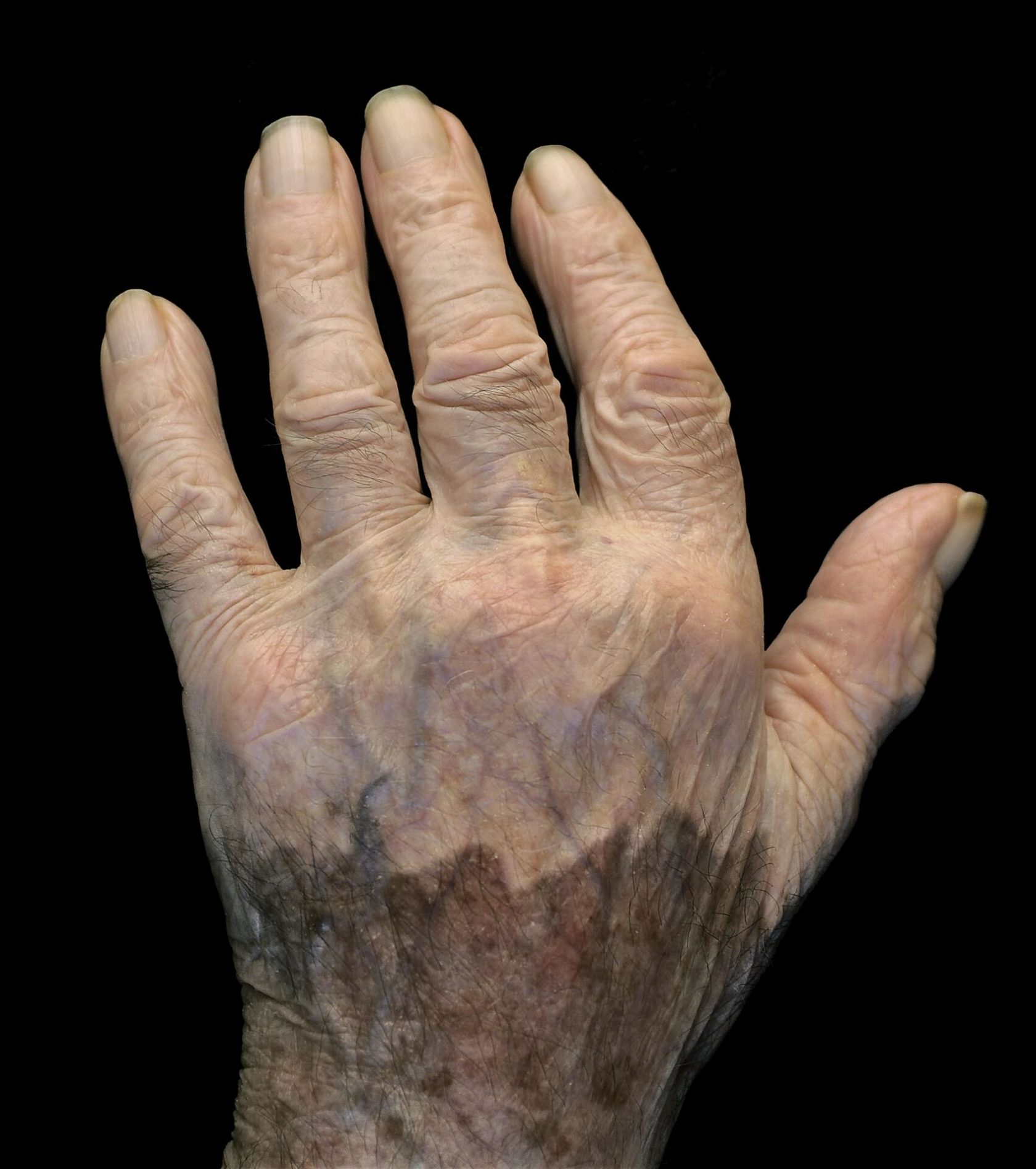
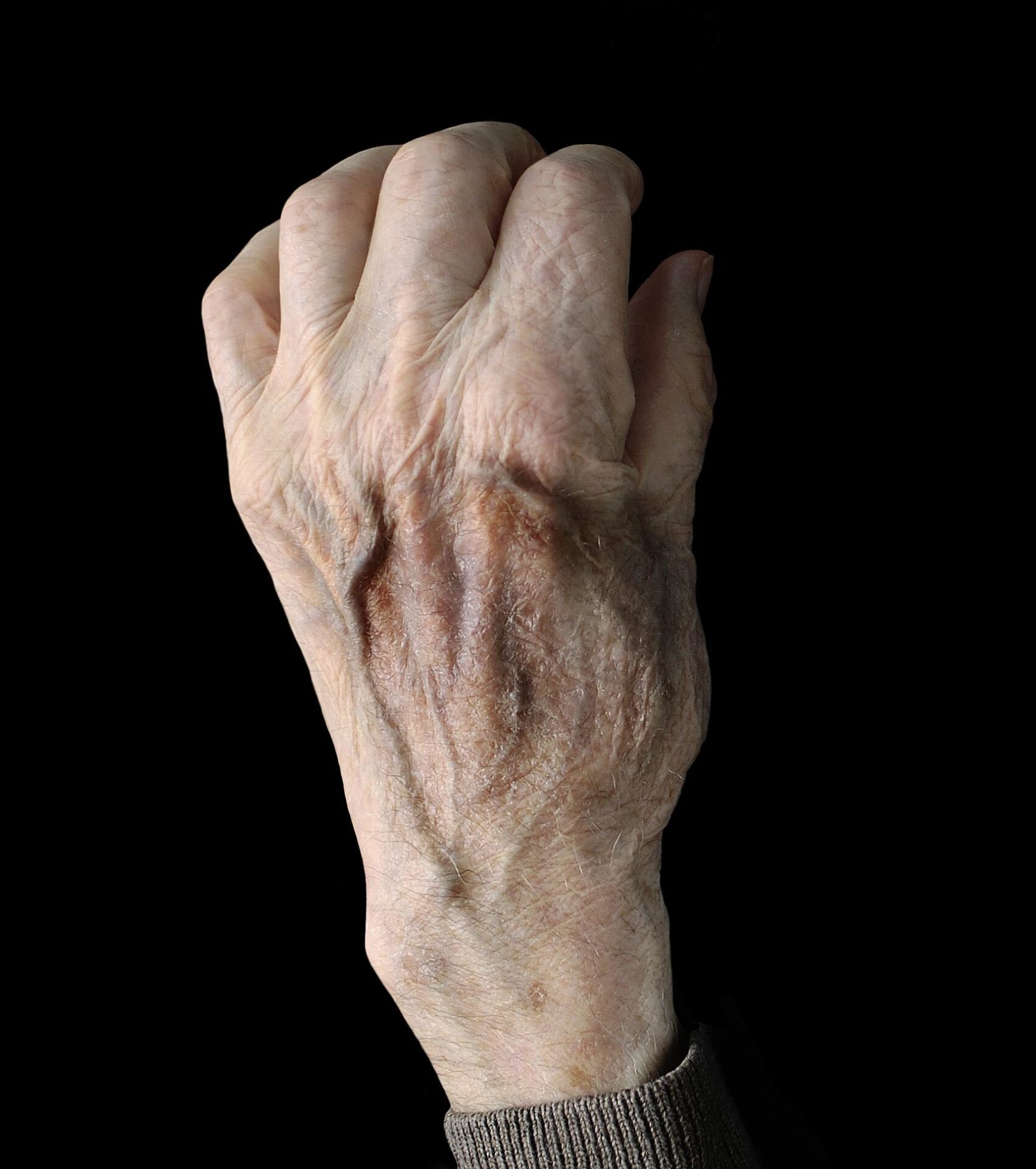
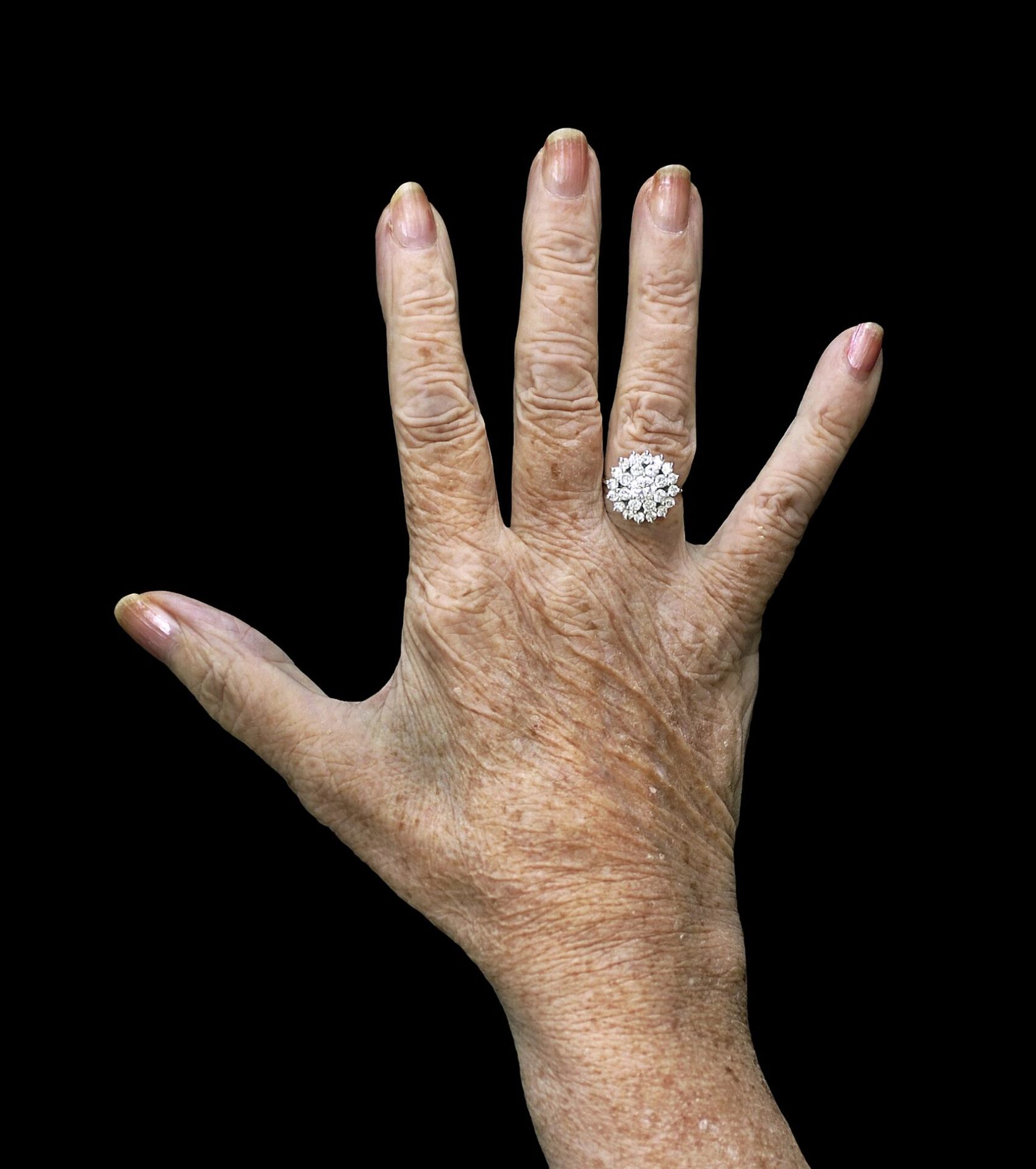
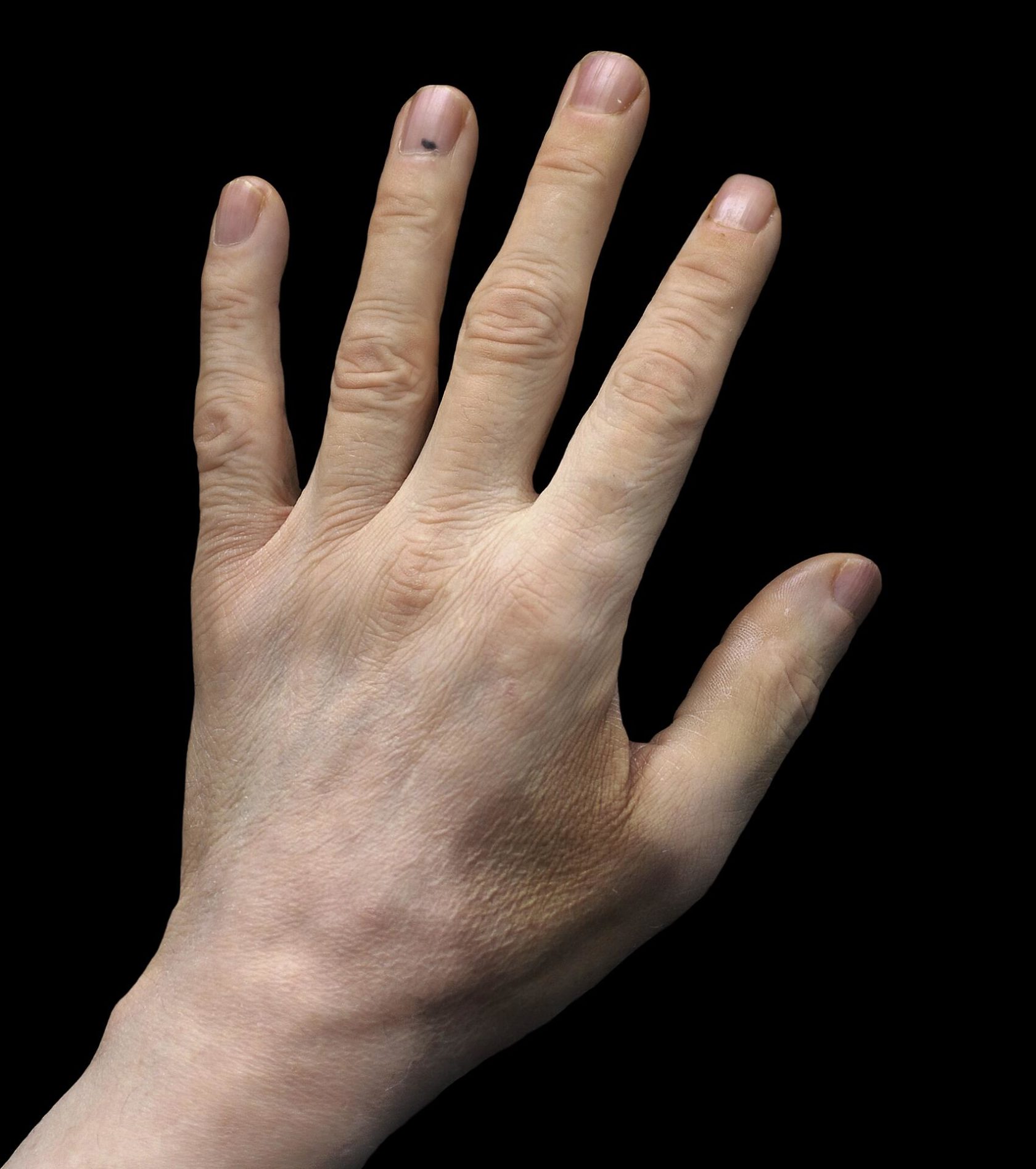
Having realized that Jerusalem, Sabella's city of birth no more exists, he started perceiving the harsh reality of living in 'exile'. After conceiving the project jerusalem in exile, Sabella explores through the use of the human body what he now refers to as 'exilic landscapes'.

In an attempt to exit his reality, these landscapes were early signs of Sabella's distorted perception of life as in 2008 through fragmentations of images, he deconstructs his immediate monotonous surrounding him and reconstructs them to mirror the State of Mind of living in exile and alienation (in exile 2008).


e x i t

2006

lambda print, dibond mounted on plexiglass 70 x 62 cm
This size is a limited edition of 3 + 2 AP


steve sabella


elderly hands
body art
steve sabella self portrait
hand statues
ring
sickness art
agony
hurtful
hand marks
alienation
hand with the pearl ring
exile
solitude
hand
hand art
human body


from a conversation with Sara Rossino, who has reviewed the solo retrospective show at the metroquadro gallery in Rivoli/Turin, Italy.
 

What do you mean when you refer to “exilic landscapes” in your Exit hand artwork? I like the expression very much and would like you to comment on it.


"When I discovered my city of birth disappeared and went into exile, I was lost or entrapped in my immediate space – my city. I started perceiving the world in a very harsh way. I had no where to go and I was on the edge of total physical and mental collapse. I found myself walking on harsh foreign lands. My immediate space was shattered and I wanted to convey to the world the nature and form of the new harsh ground I am standing on. This ground or land was the land I was exiled to
."


example of how prints look when printed & mounted
 
exit steve sabella


Steve Sabella - The Journey of Artistic Interrogation and Introspection
Retrospective Review by Yasmin El Rashidi
Contemporary Practices Journal, VI, 2010

The result, Exit (2006), his series of images of hands, speaks for itself of the pain of a landscape of both geography and life afflicted in similar ways to Jerusalem itself, with the ravages of battles that extend beyond the symbolic battlefield of war. Exit was in many ways his attempt to give a visual form to the cumulative experiences of his life, and the result, which makes one cringe, is haunting. These hands were the landscape of his exile.

DOWNLOAD REVIEW PDF