S t e v e S A B E L L A
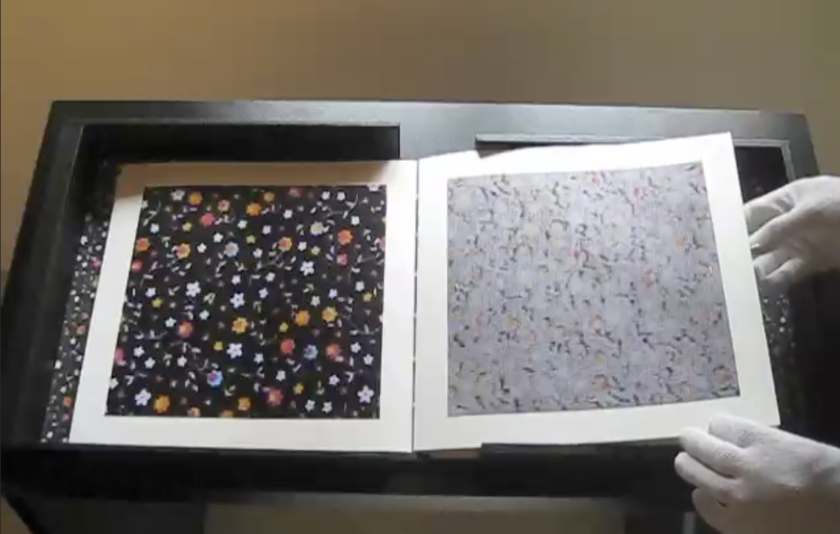
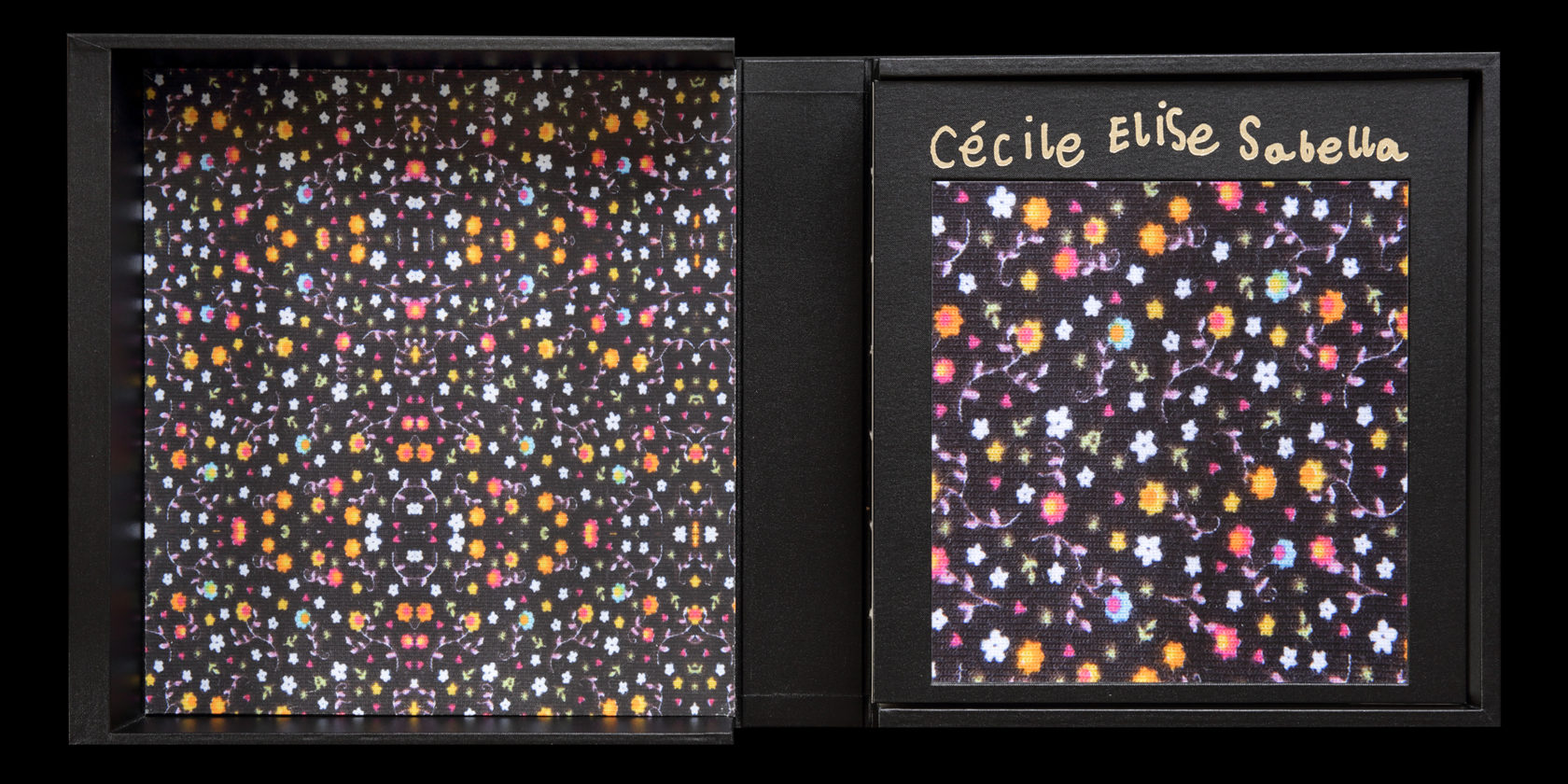
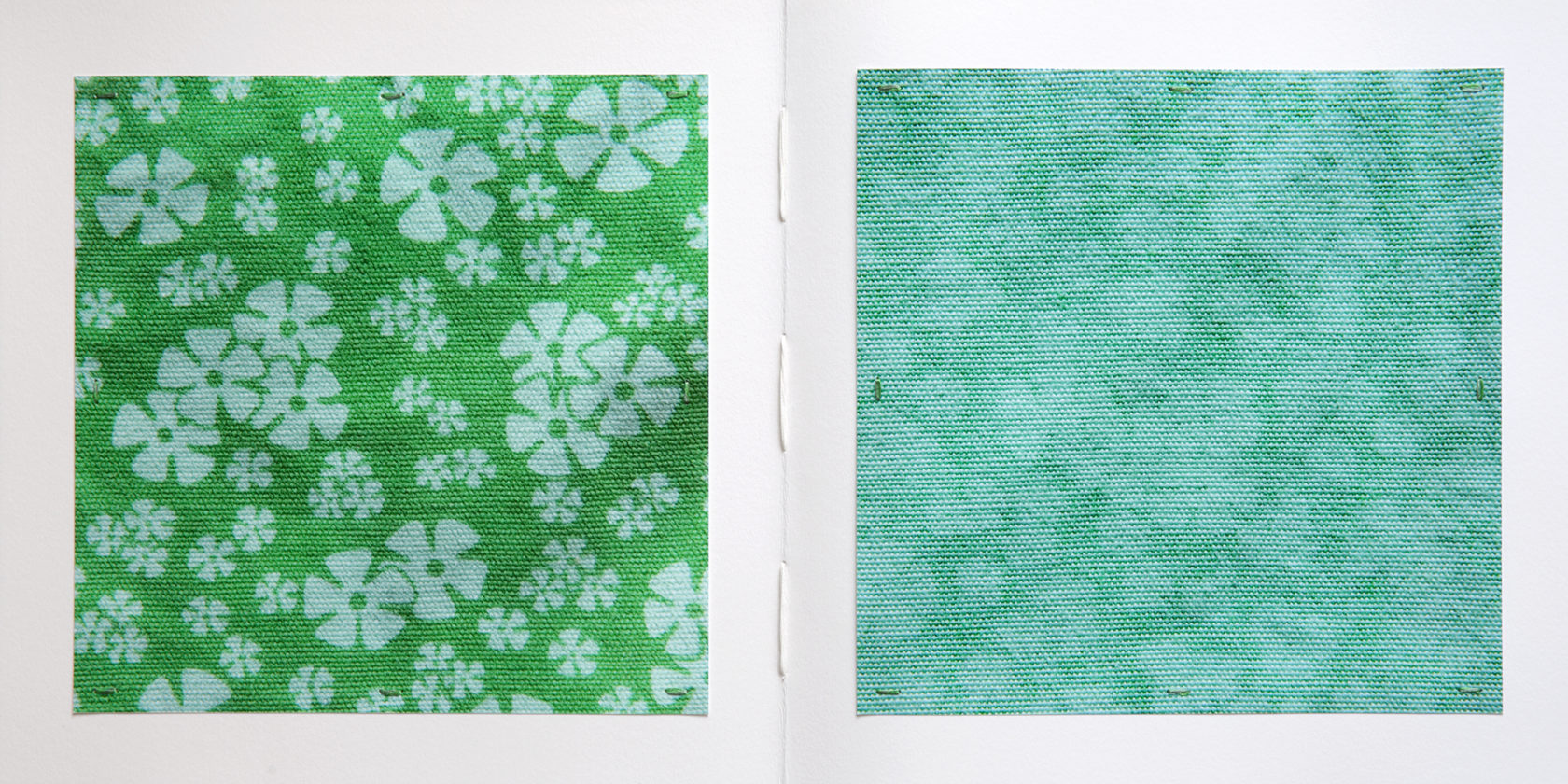
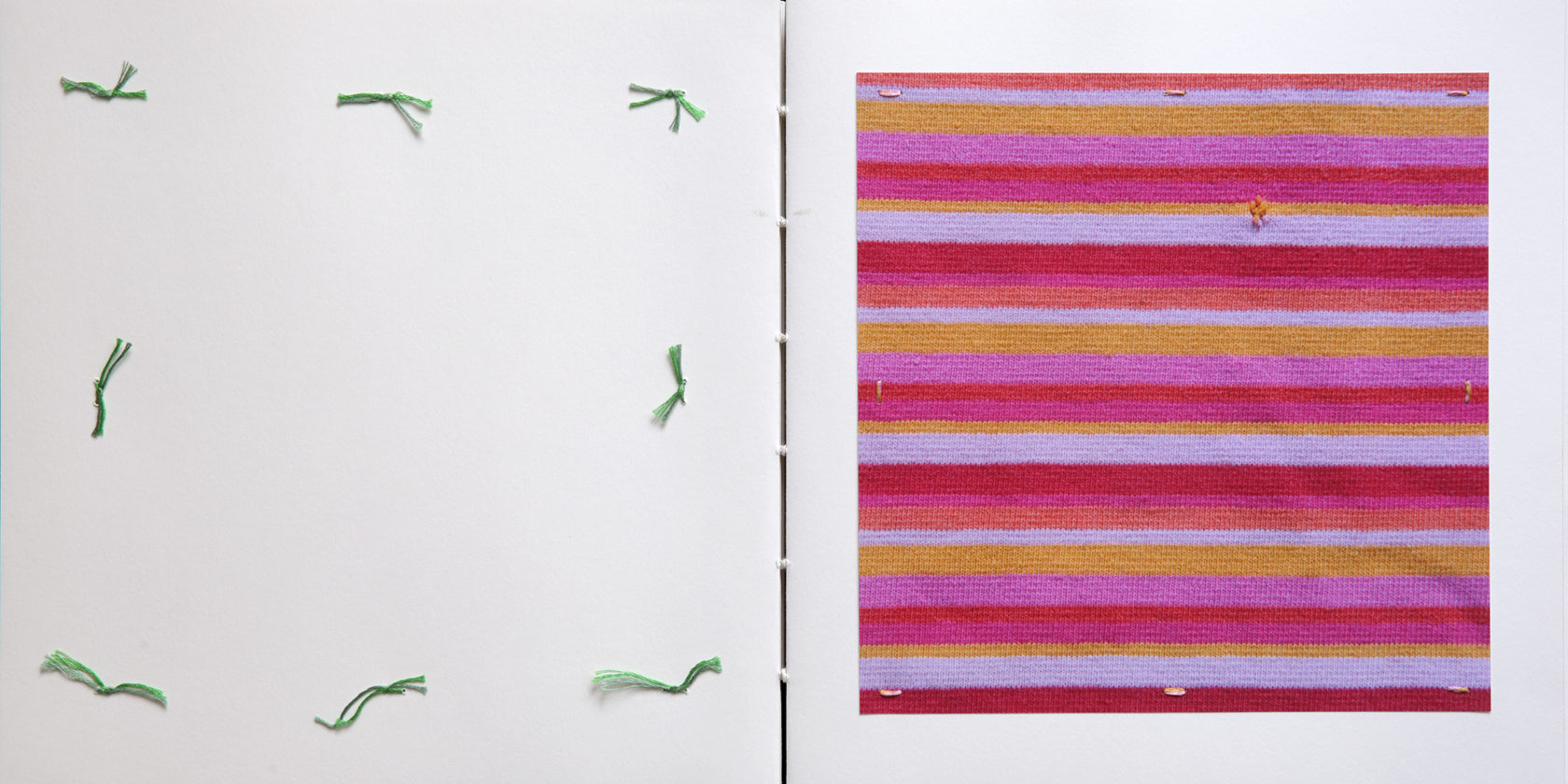
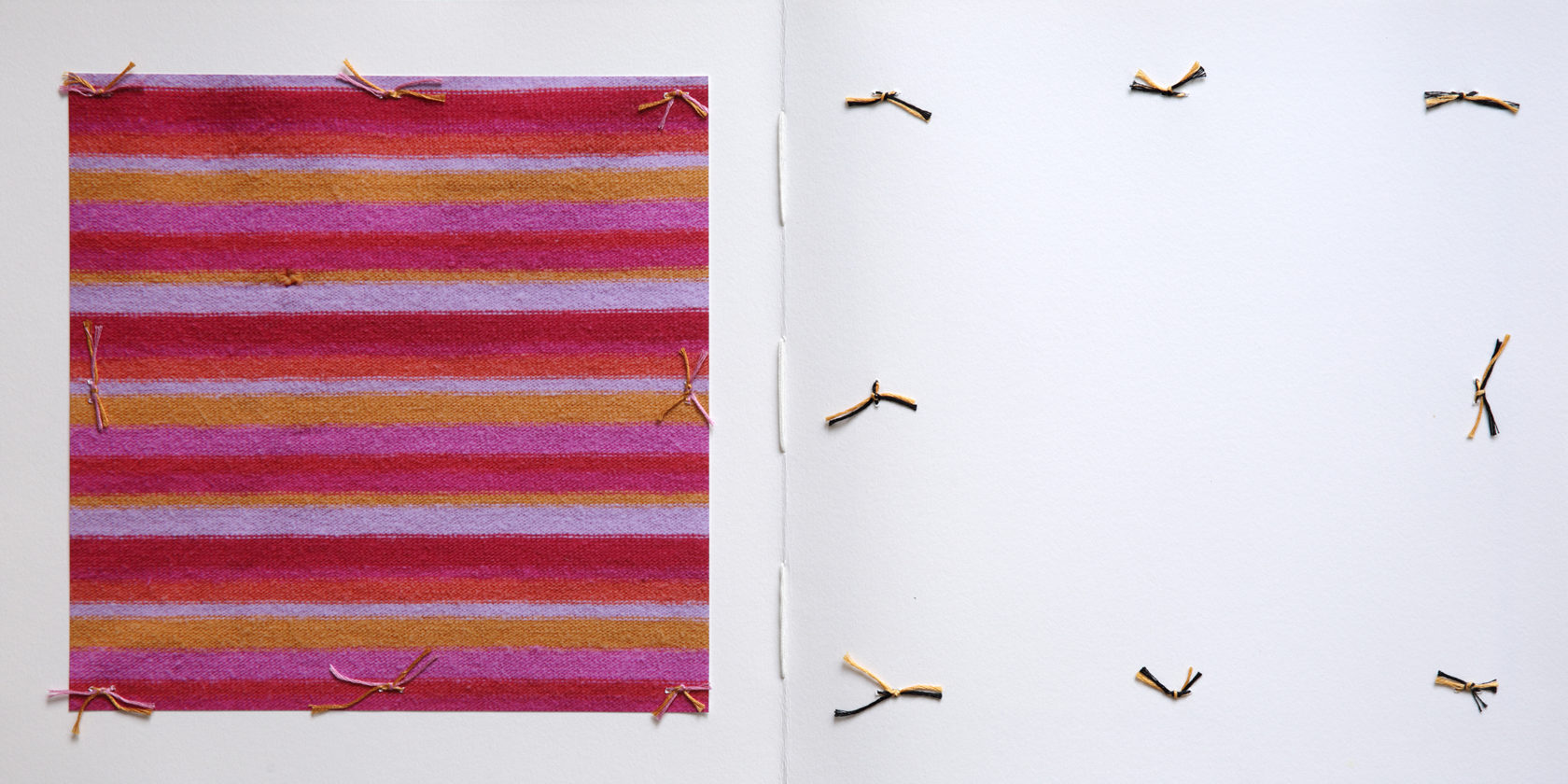
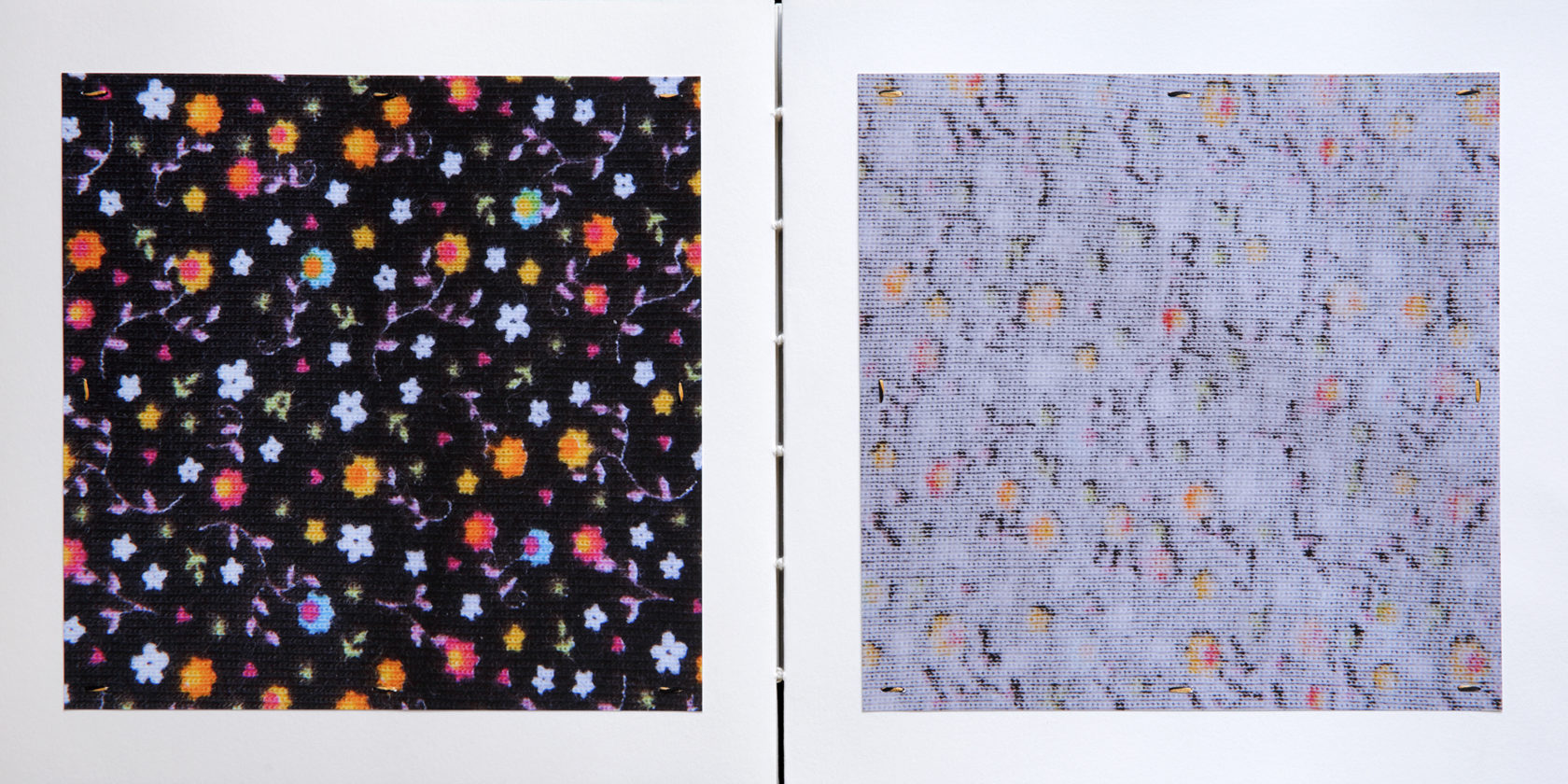
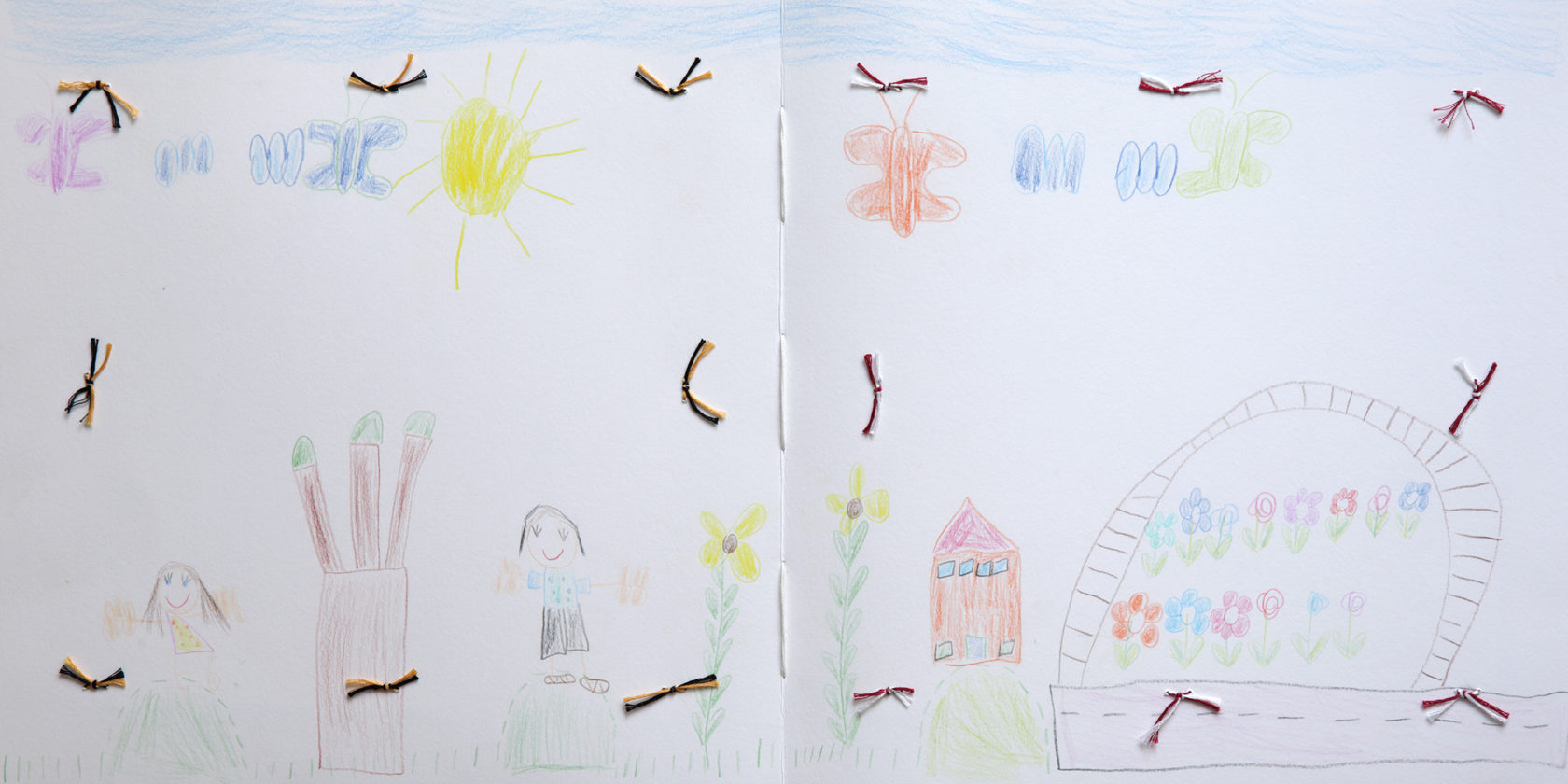
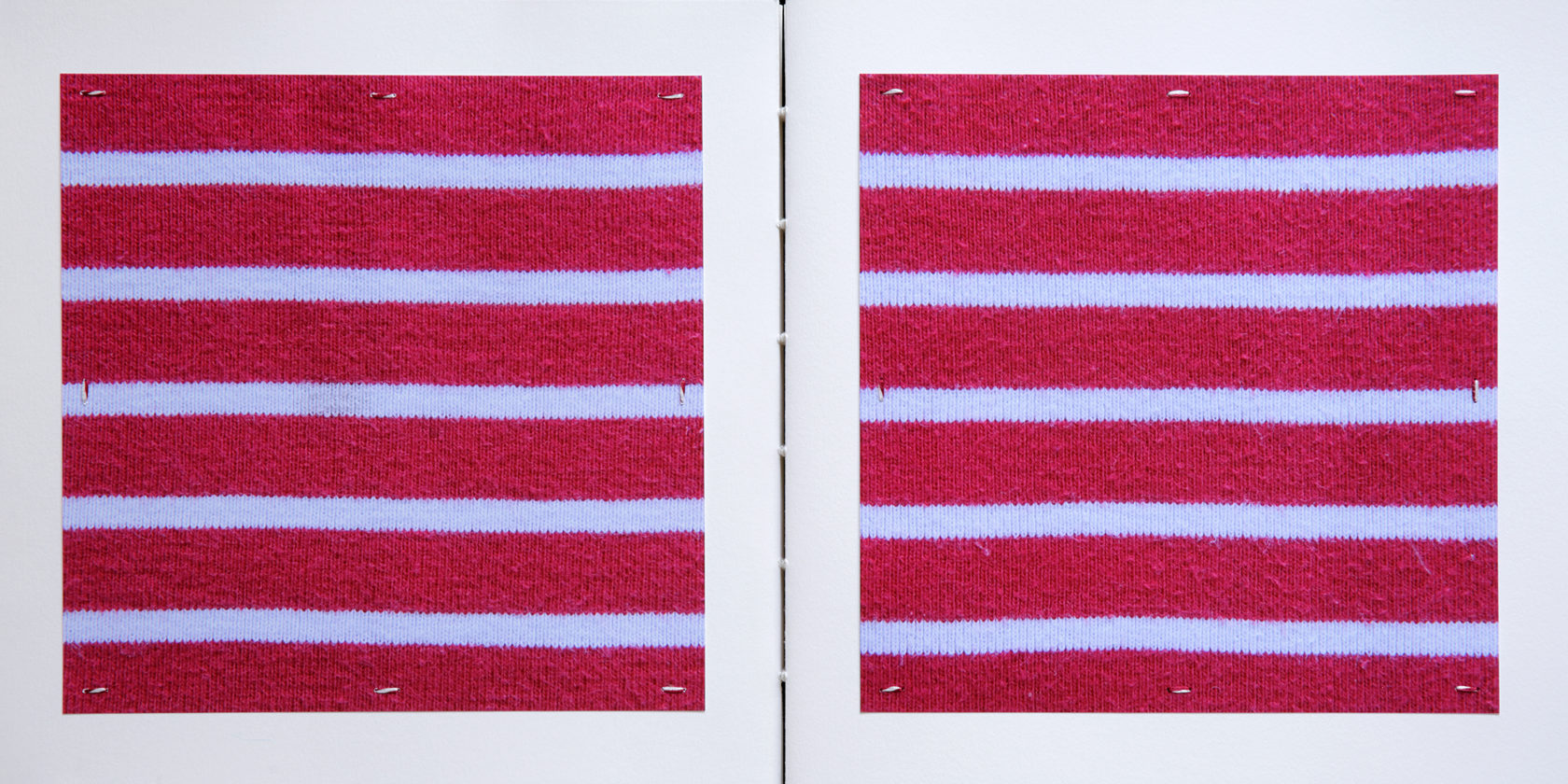
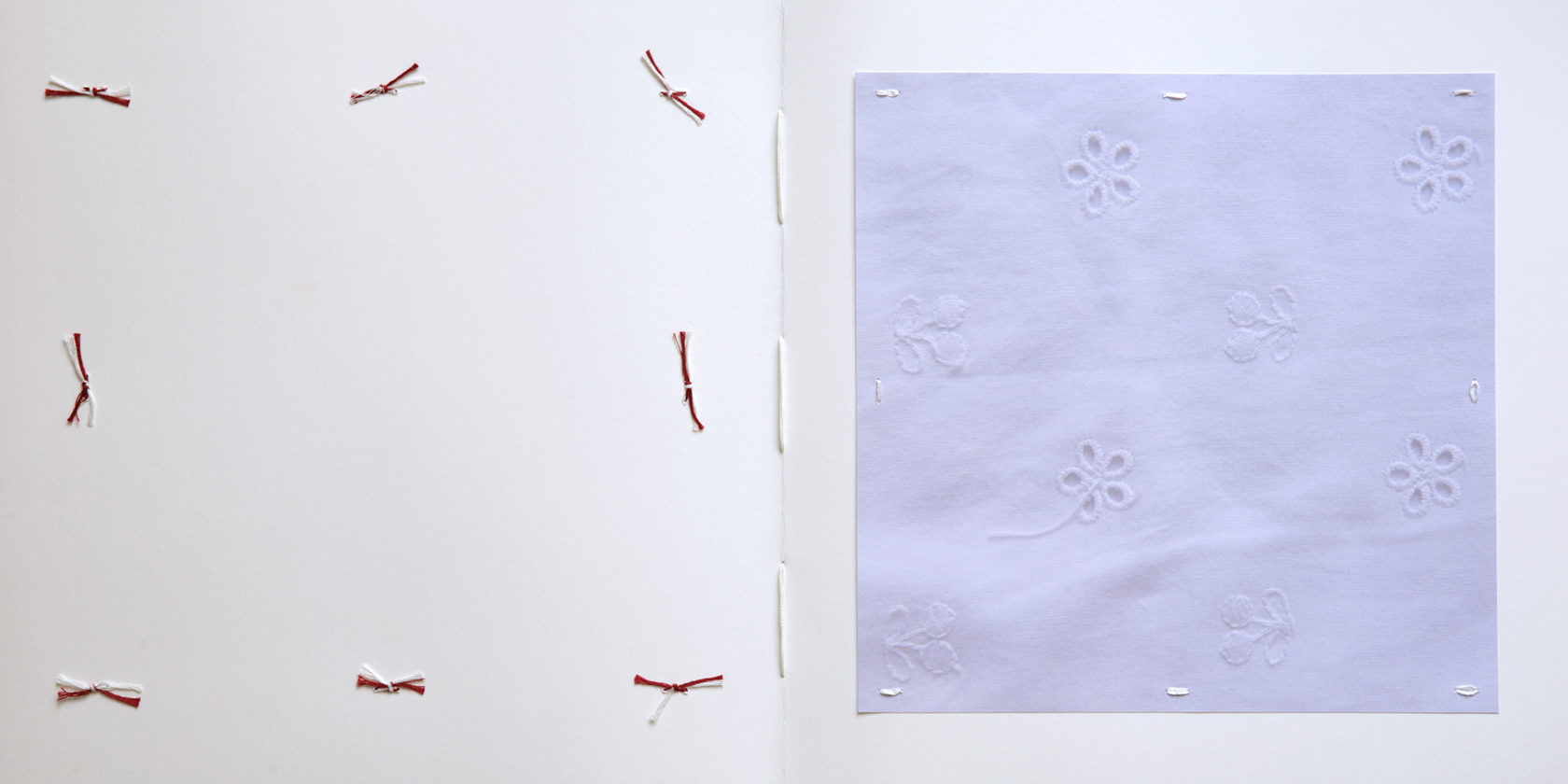
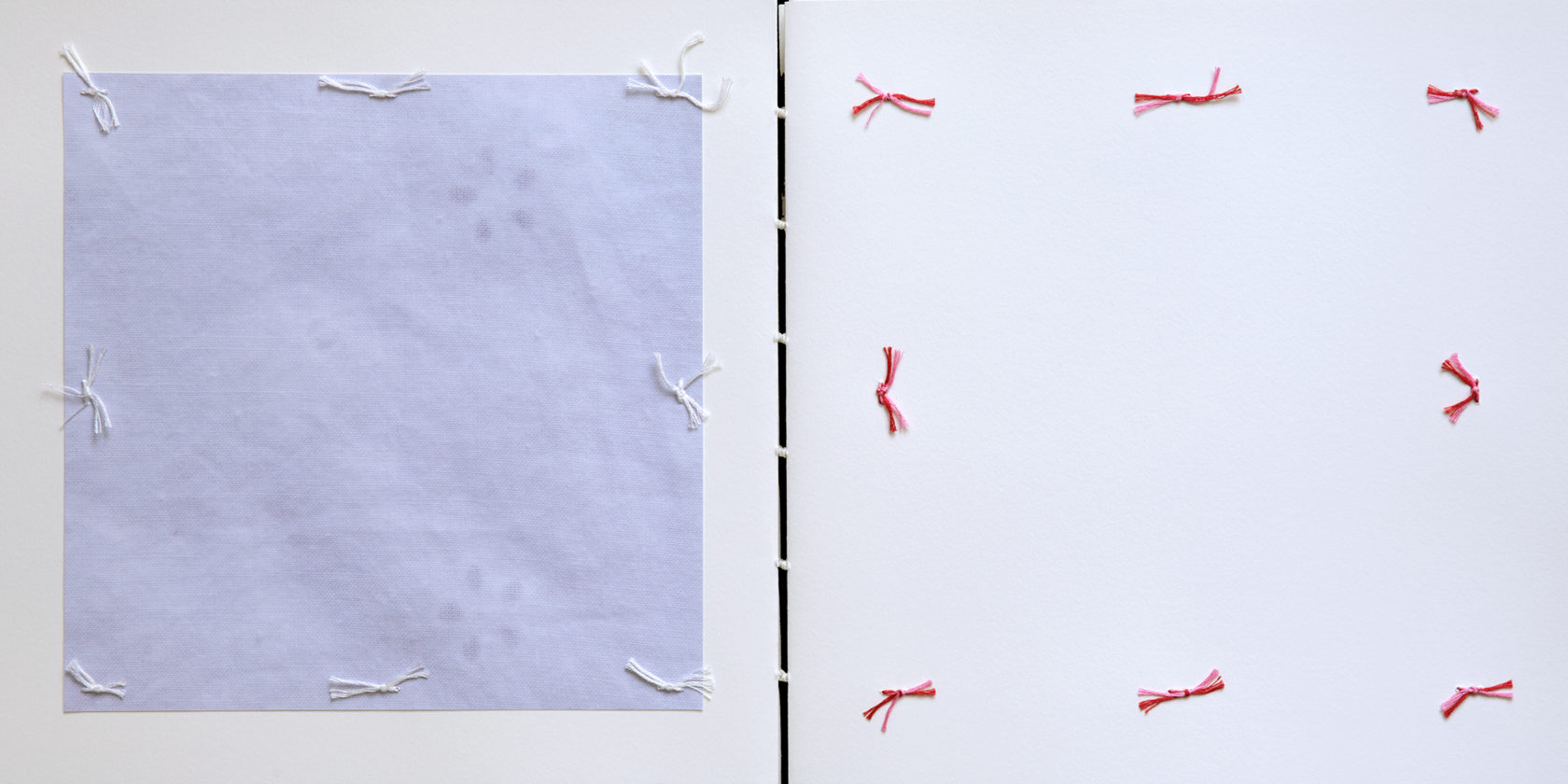
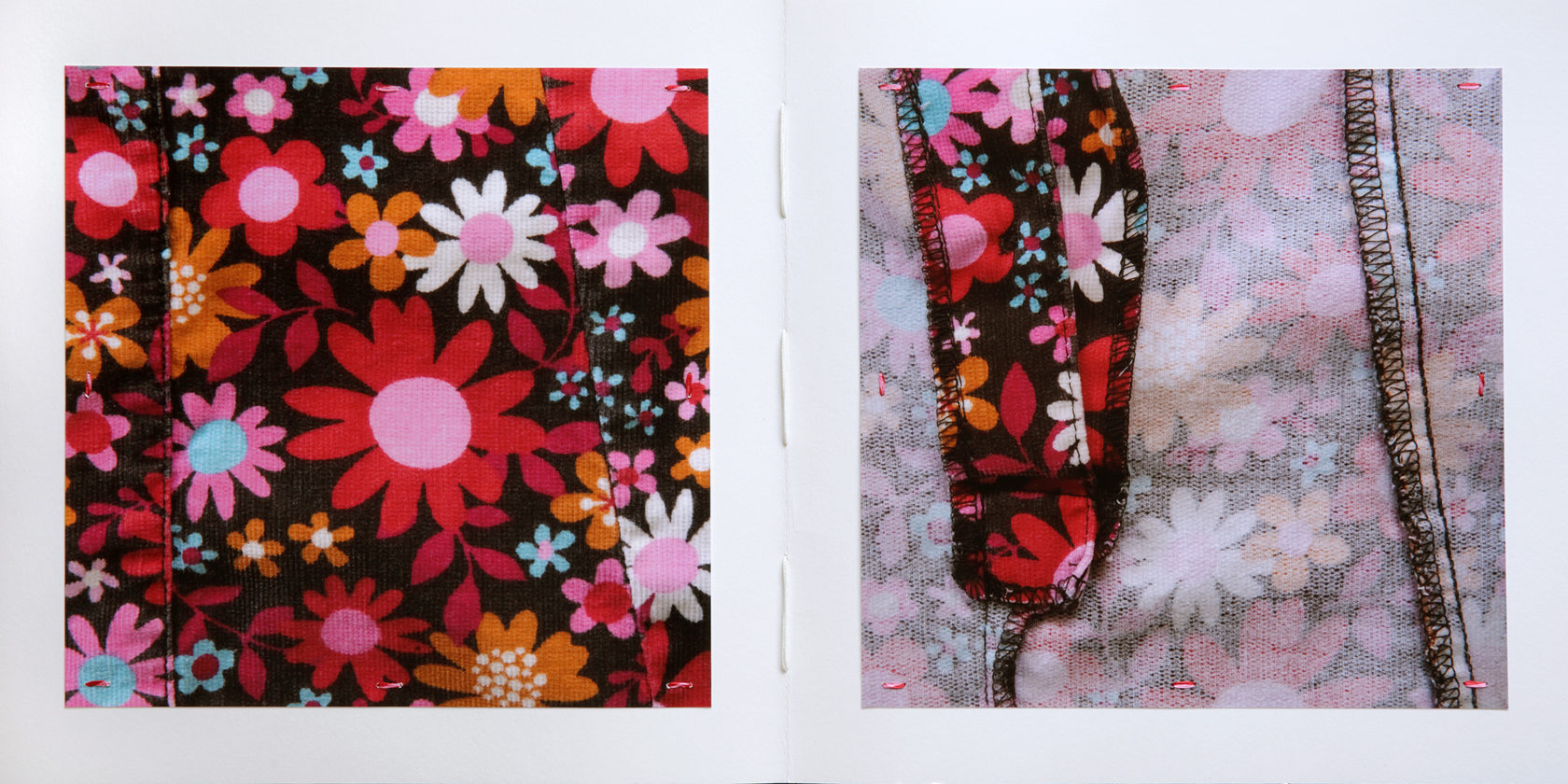
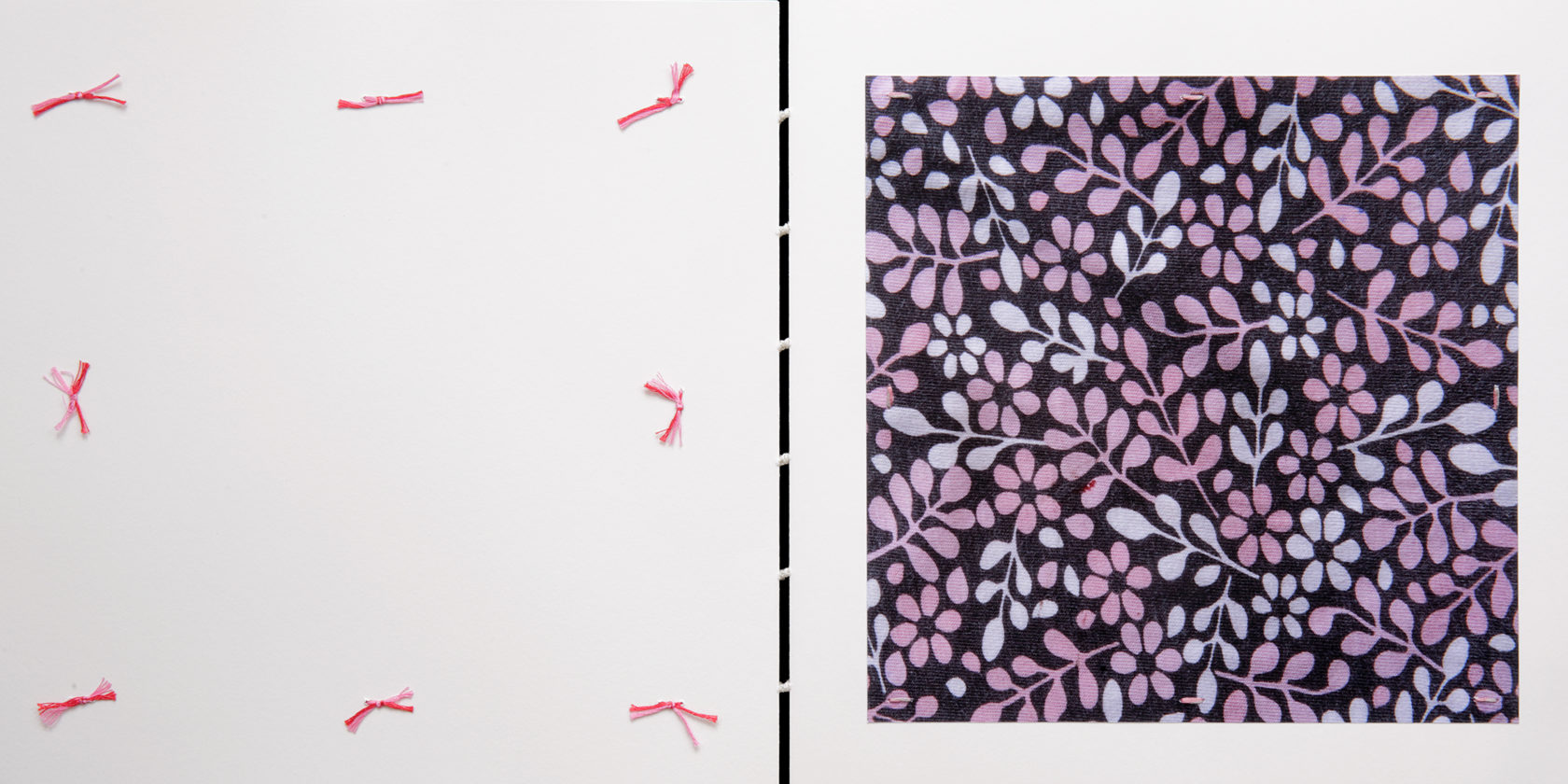
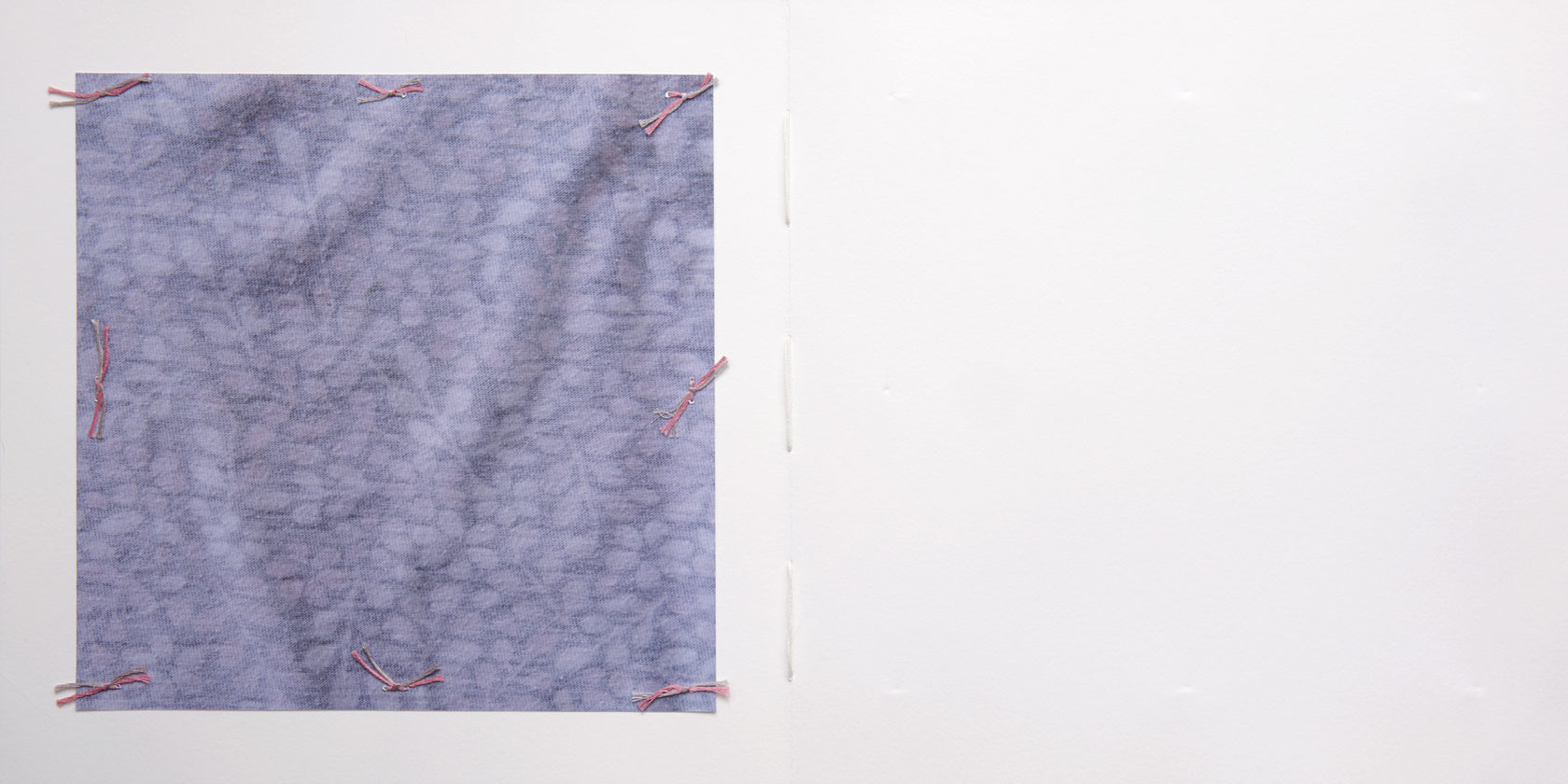
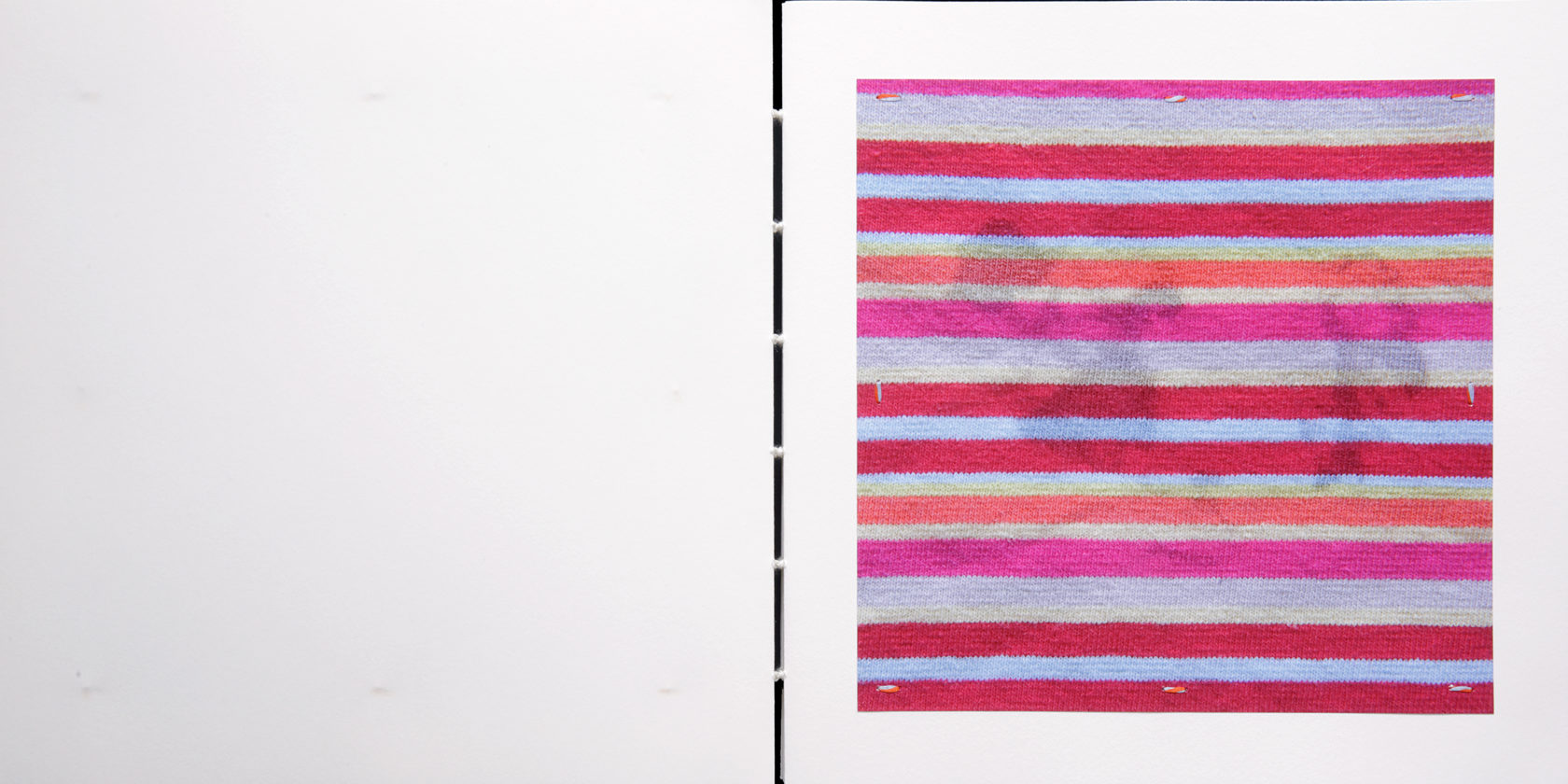
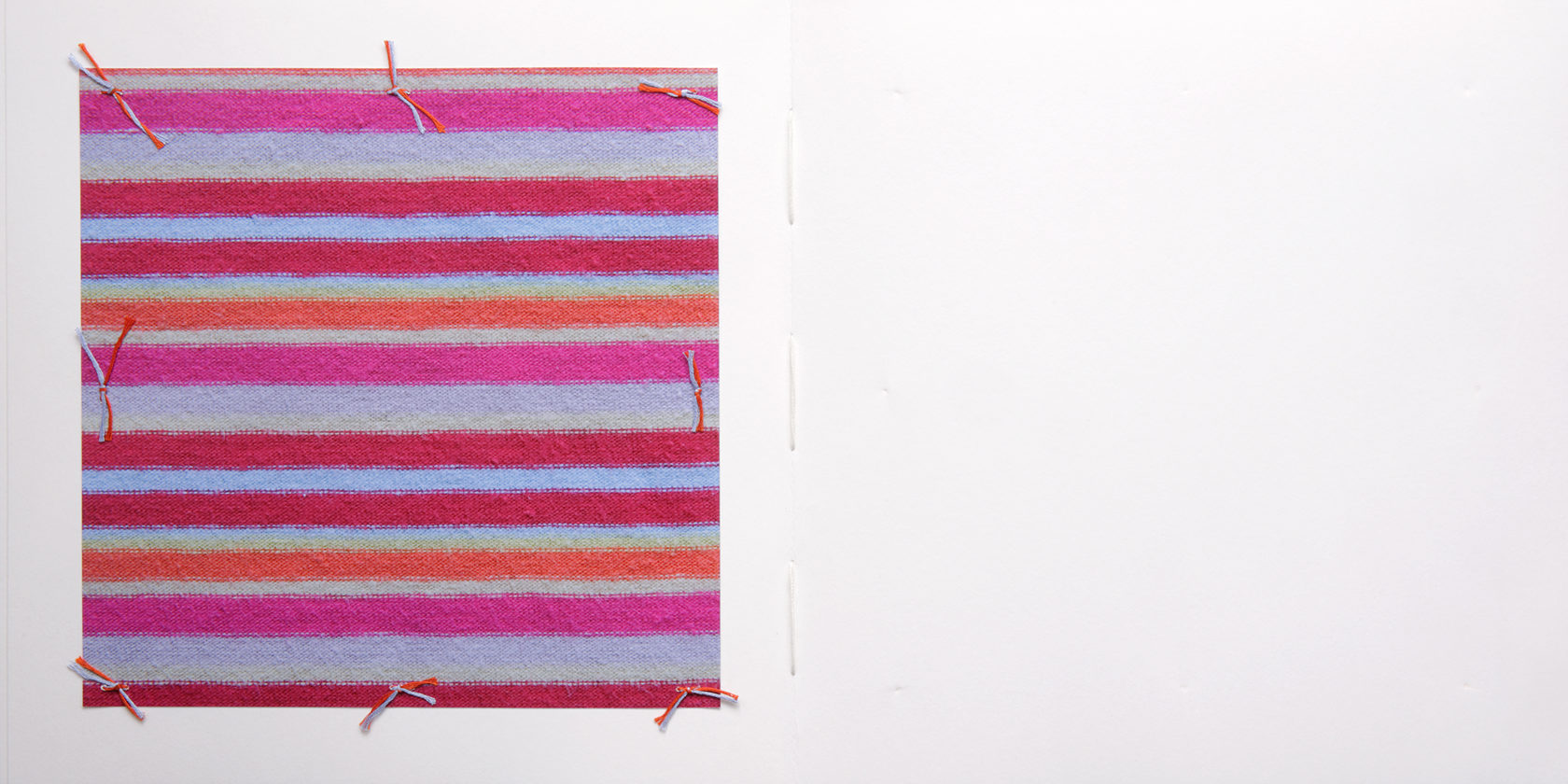
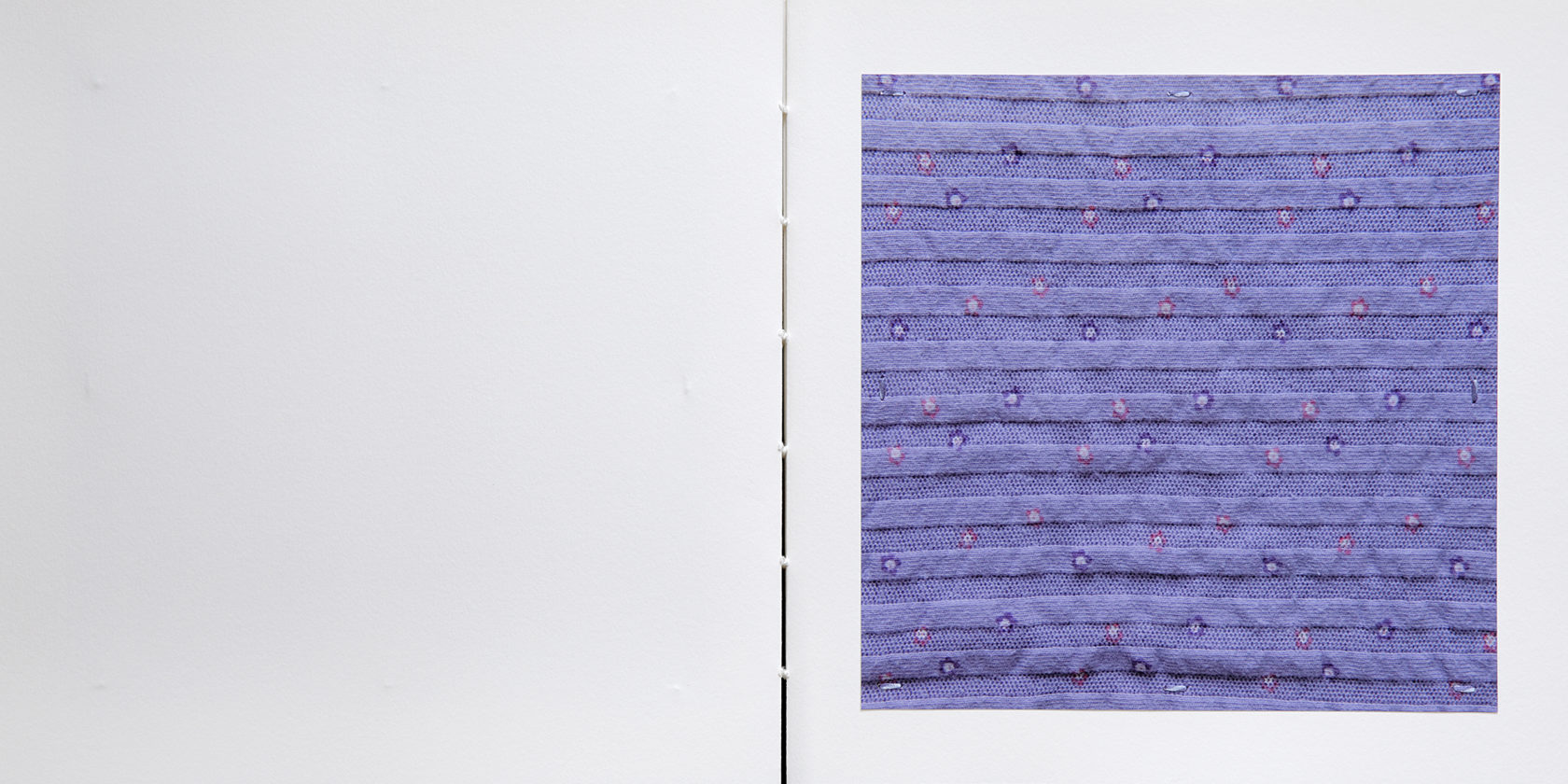
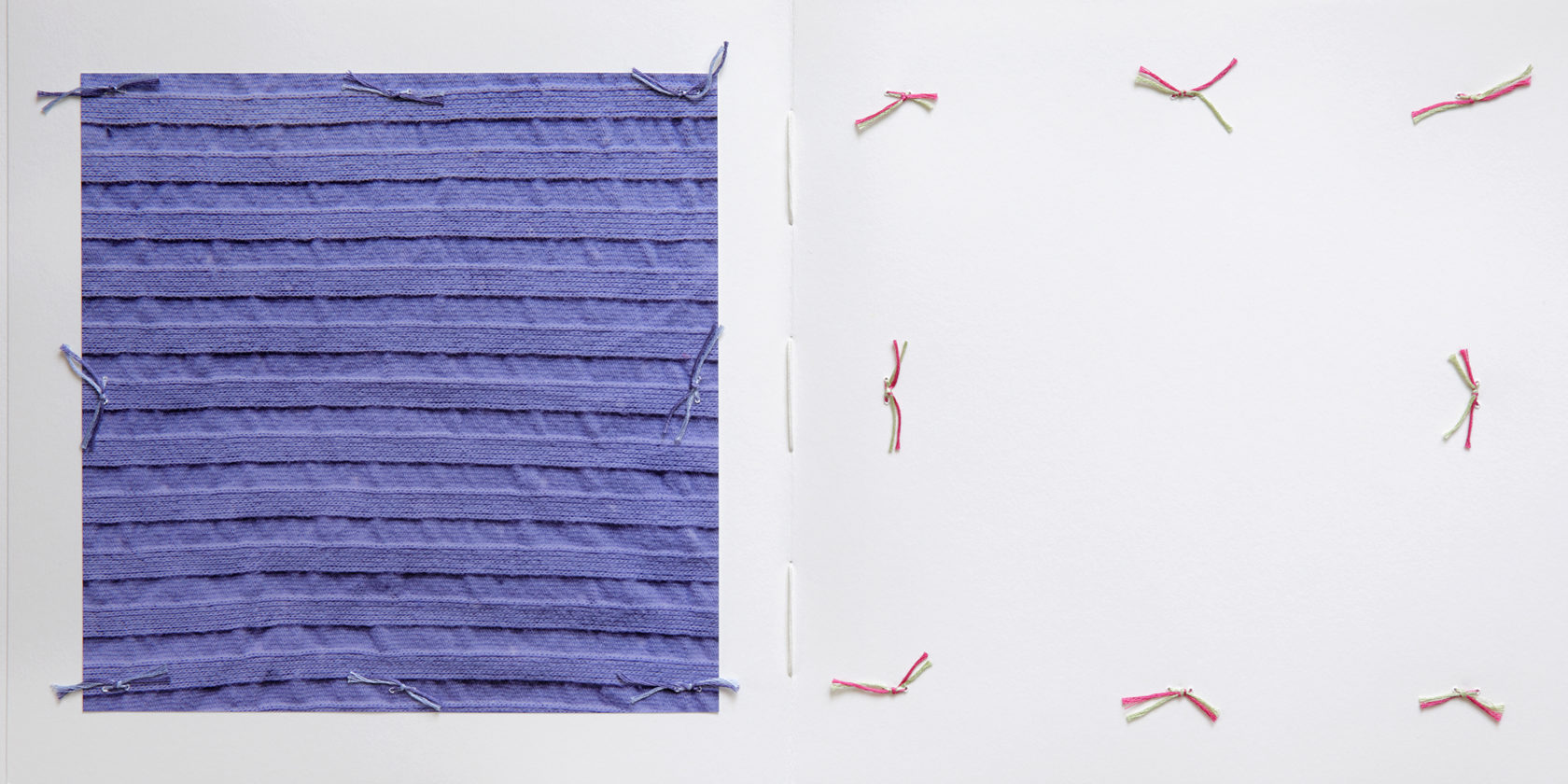
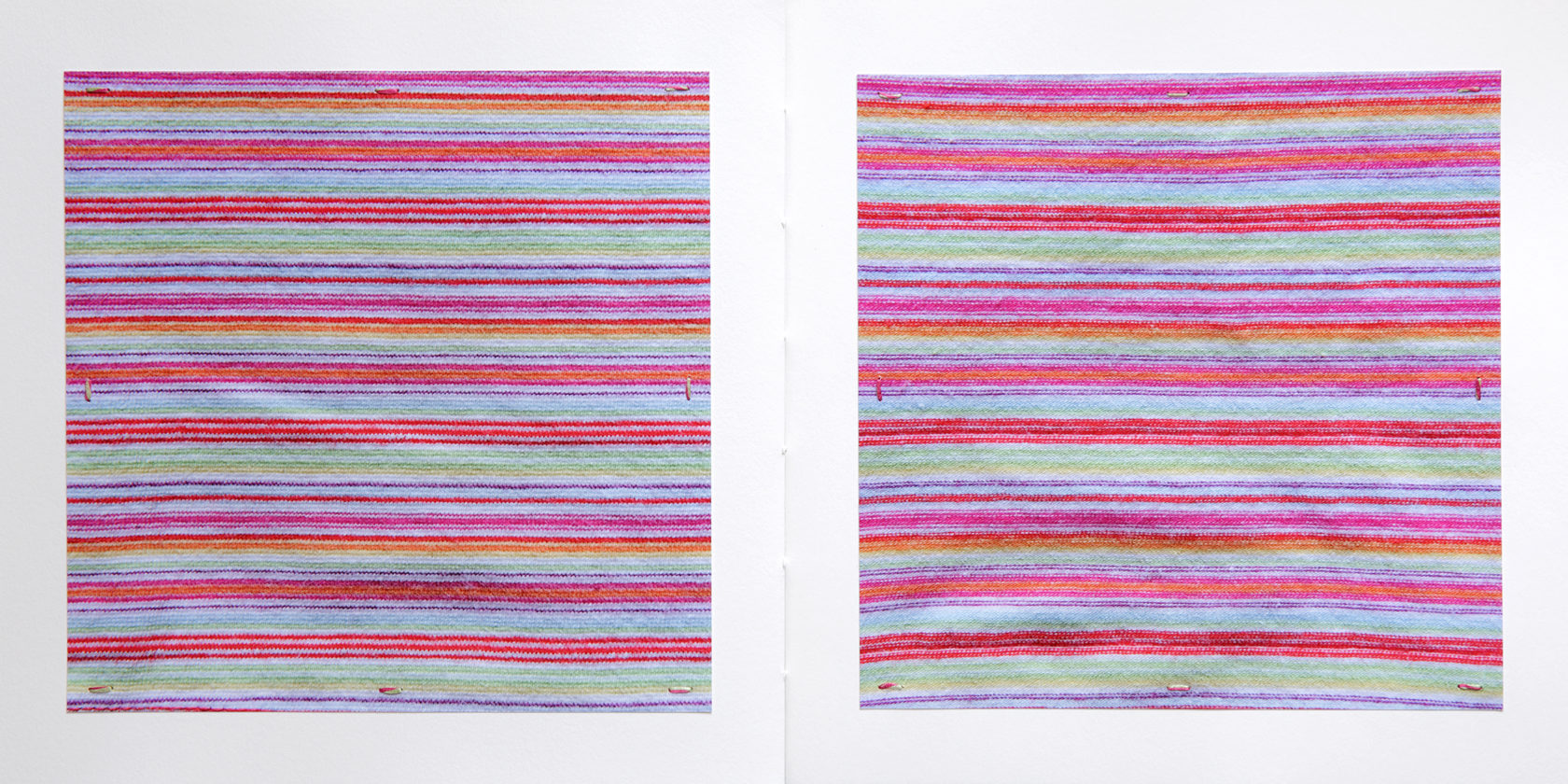
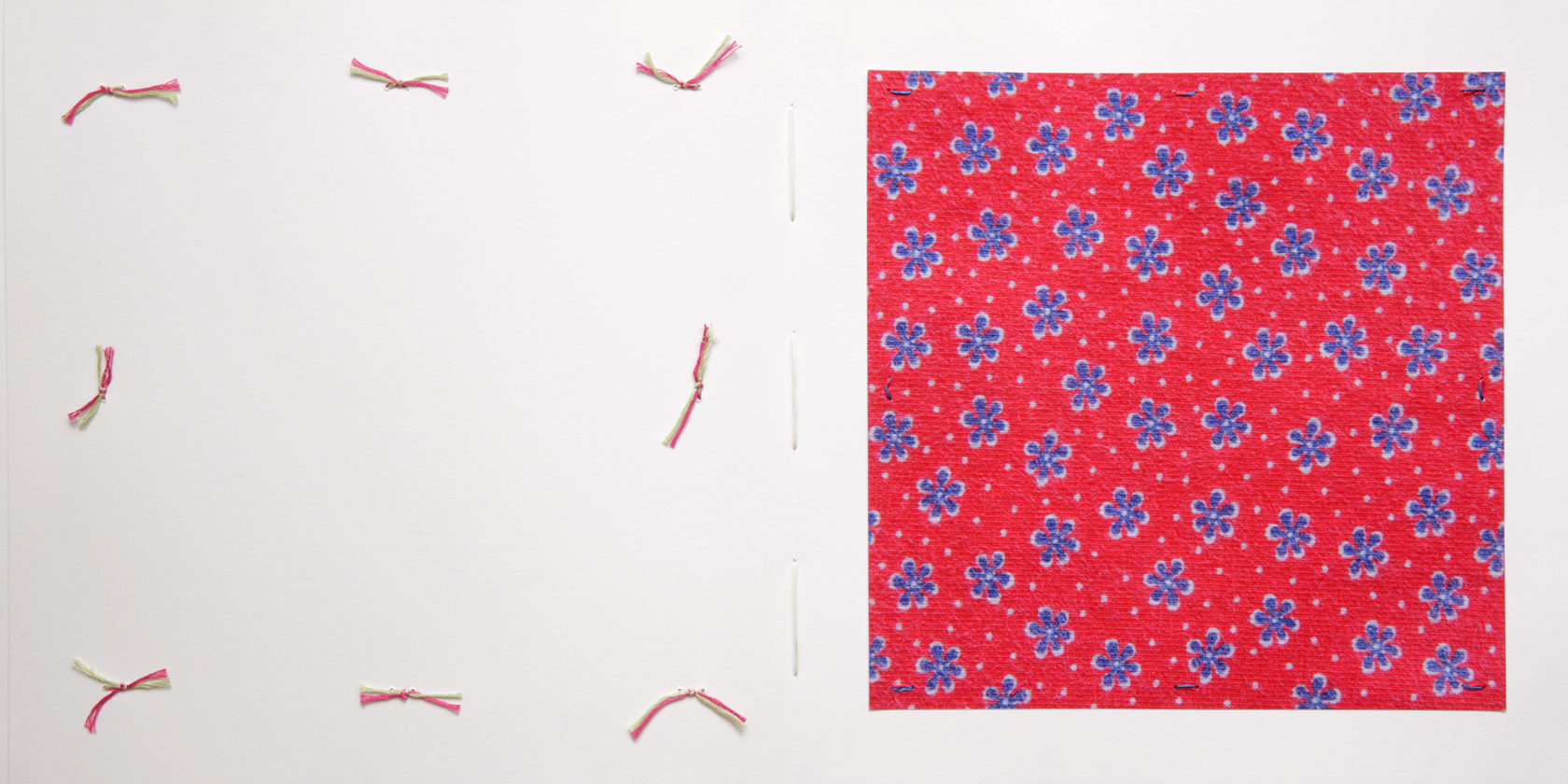
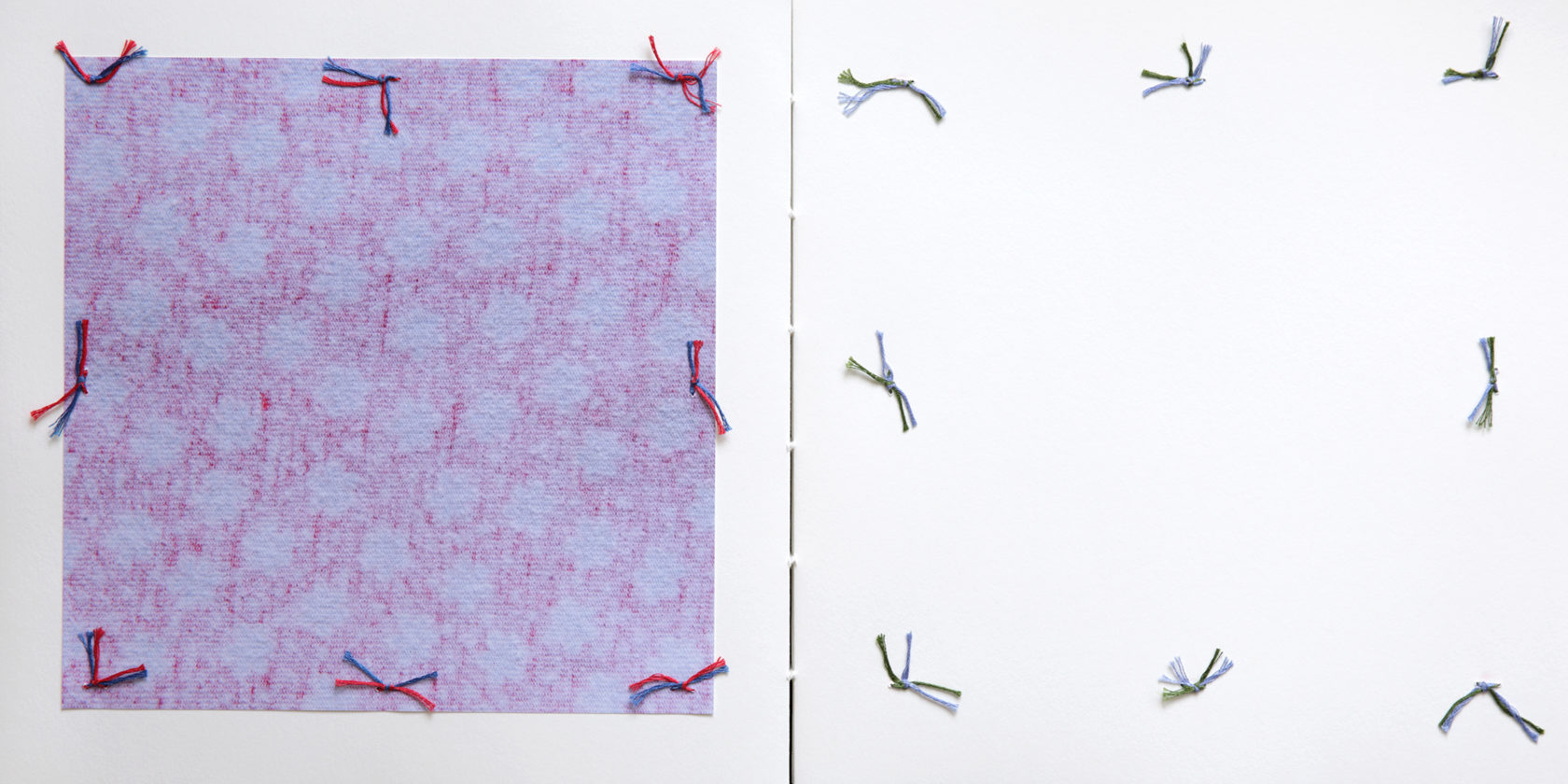
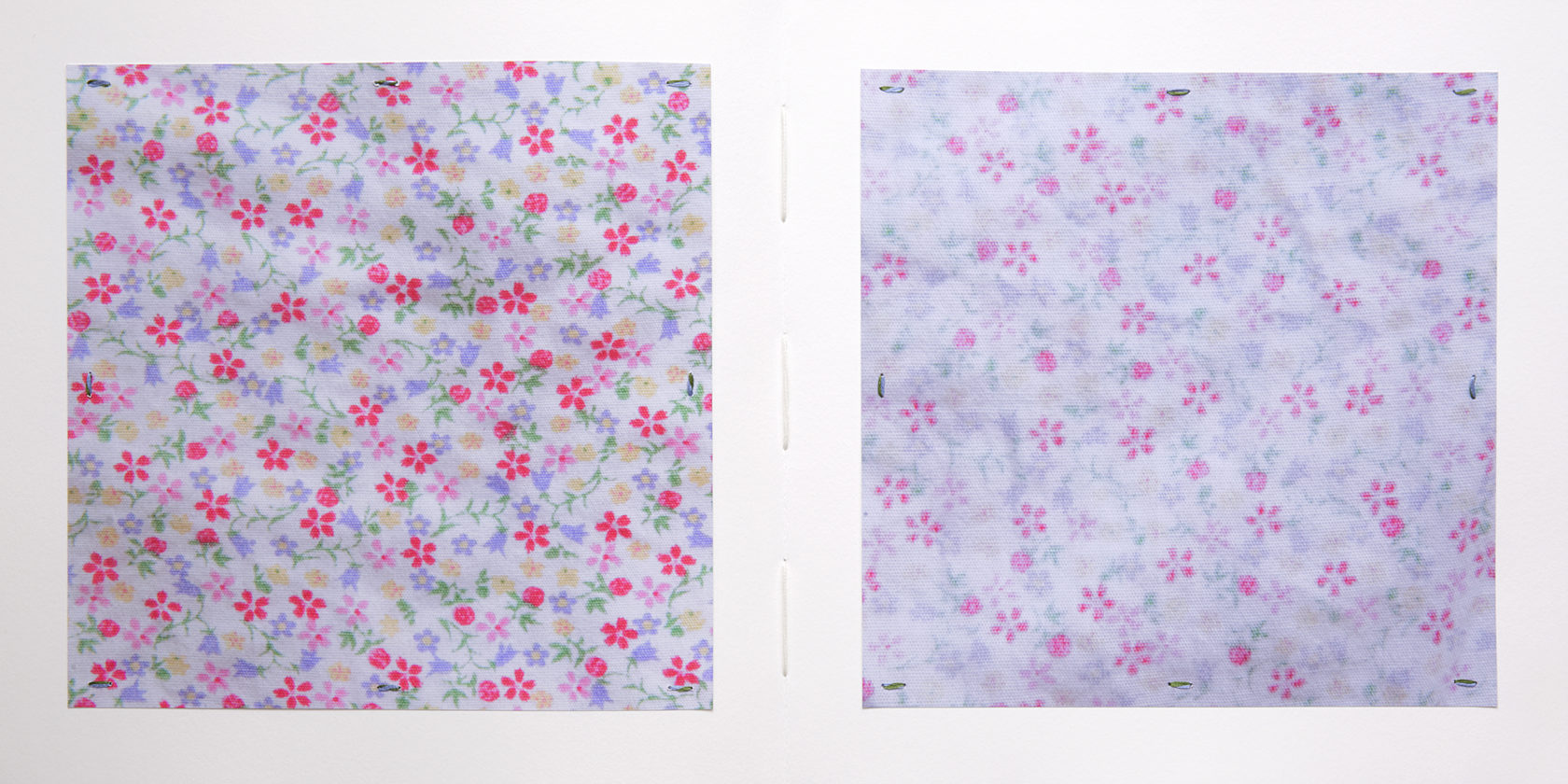
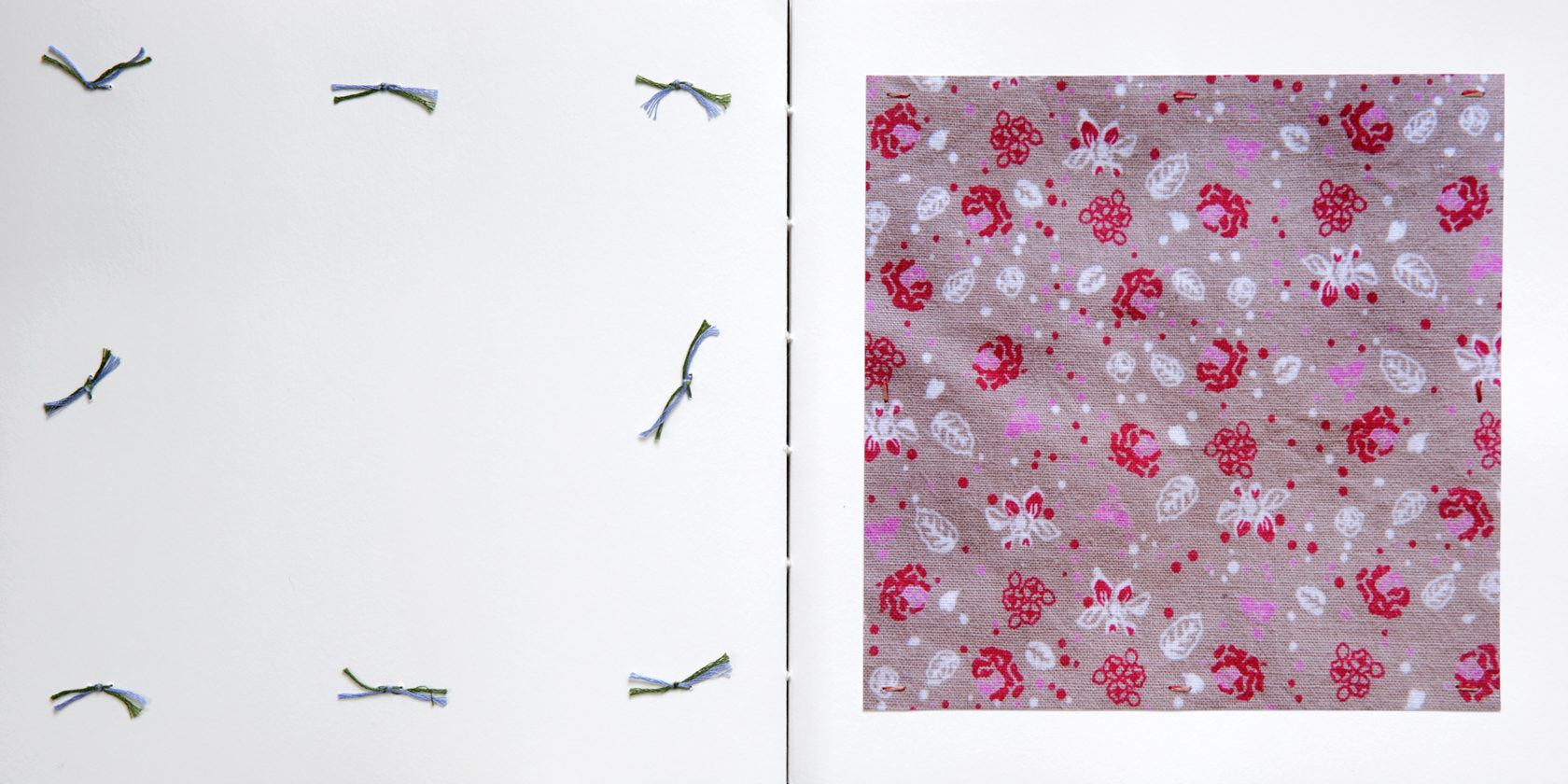
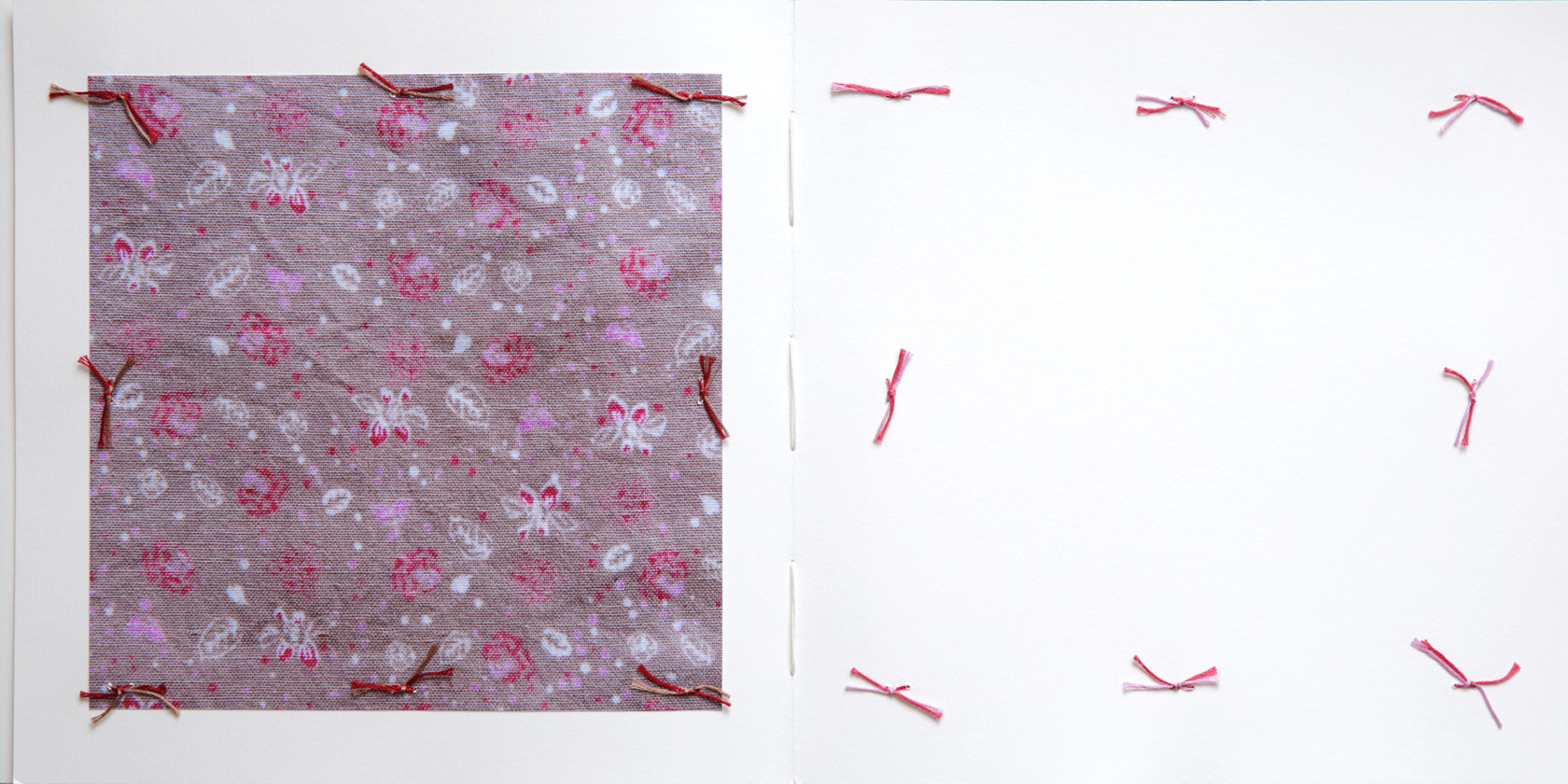
Sabella searches for the meaning of exile by exploring his relationship to his three year old daughter whom he considers 'foreign' to him. By photographing her clothes from both sides, he approaches the concept of exile from a different perspective. This In and Out approach connotes the condition people who are forced to live in exile go through as they are moved from within the space to another outer space. Furthermore, even though the artwork may have at its origin notions of political exile, it also explores personal exile - a state that many people in today's mobile world live in. The conception that ‘identity’ implies sameness, and that meaning depends on difference are mirrored by showing the two sides of Cecile’s clothes. One side connotes her and the other side the artist himself (the father). It is a work of discovering the Other. By photographing Cecile’s clothes he is revealing a part of who she is. Every tear and wear of the clothes, holes, stains become of significance, and grants the work an enhanced personal nature. On the other hand, we get a glimpse of Steve Sabella’s abstract reality, which later on in his project In Exile (2008), he develops a surprising level of consciousness, and reaches a new level of visual sophistication. |
Cécile Elise Sabella
2008 The work has TWO aspects Artist Book SEE A VIDEO OF THE ARTIST BOOK
|
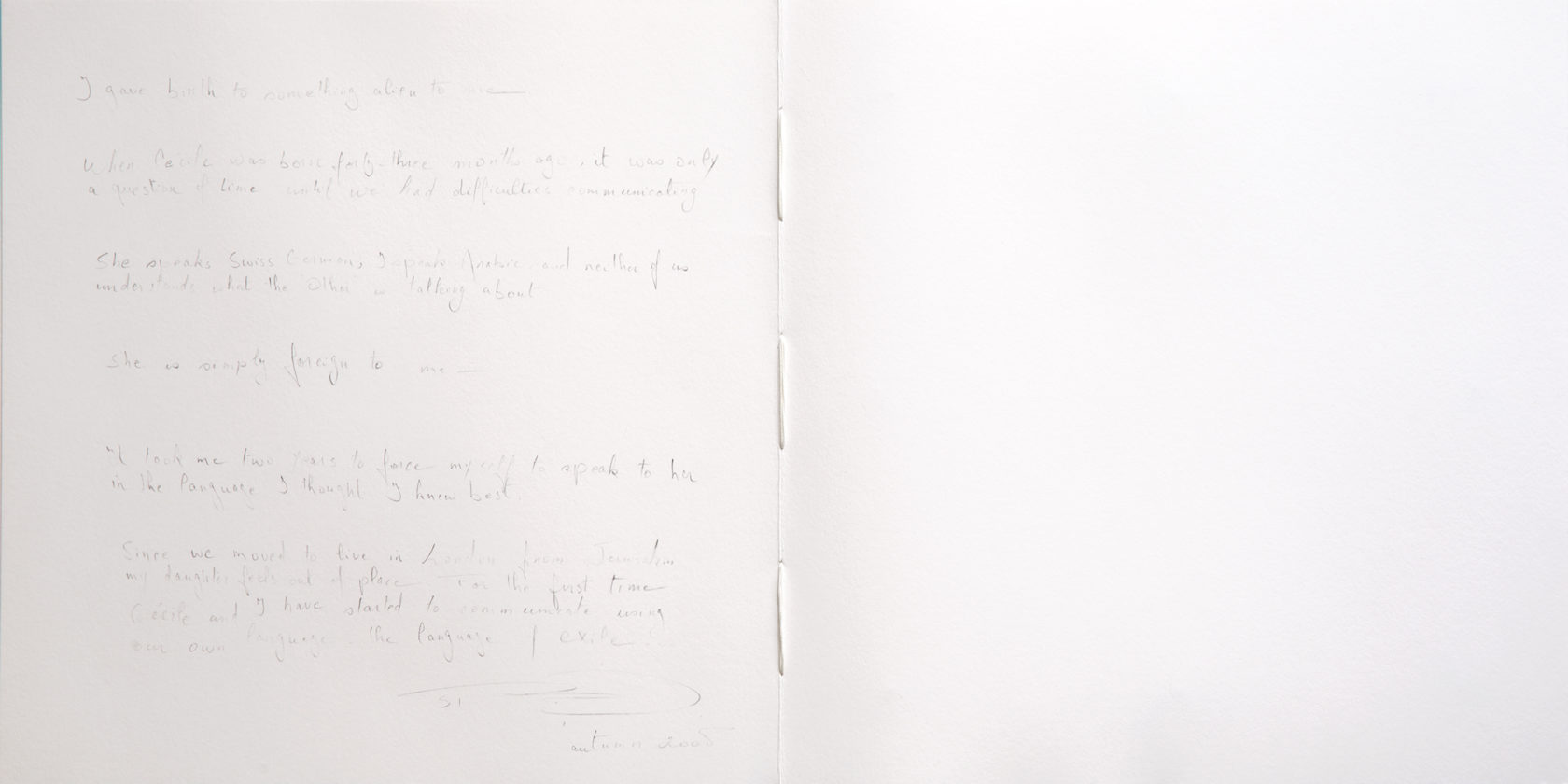
“When Cécile was born forty-three months ago, it was only a question of time until we had difficulties communicating. She speaks Swiss German; I speak Arabic, and neither of us understands what the other is talking about. She is simply foreign to me. This work attempts to establish a relationship between us by photographing her clothes from both sides—inside and outside. A cloth, no matter what, will always have its other side. This mirrors the basic fact that in essence, Cecile and I will always have a connection. The book gives chance to notice and sense similarities, differences, and contrasts among many other nuances. Since we moved to live in London from Jerusalem my daughter feels out of place. For the first time, Cécile and I have started to communicate using our own language—the language of exile”. |
![]() |
|
![]() |
|
![]() |
|
![]() |
|
![]() |
|
![]() |
|
This work has been reviewed in New Vision: Arab Contemporary Art in the 21st Century (Thames & Hudson). By editors Hossein Amirsadeghi, Nada Shabout & Salwa Mikdadi. DOWNLOAD Christie's Launch Press Release Oct. 2009. PDF DOWNLOAD REVIEW PDF |
|
Work is Reviewed in these Publications: |
Steve Sabella - The Journey of Artistic Interrogation and Introspection
DOWNLOAD REVIEW PDF |
In Exile & Cecile Elise Sabella reviewed in New Vision - Arab Contemporary Art in the 21st Century (Thames & Hudson & TransGlobe Publishing). More recently Sabella has explored the concept of ‘exile’ from a different perspective: his daughter. As he touchingly explains: "When Cécile was born...it was only a question of time until we had difficulties communicating. She speaks Swiss German [the language of Sabella’s wife], I speak Arabic, and neither of us understands what the other is talking about. She is simply foreign to me." Sabella’s response was a series of photographs of the material of his daughter’s clothes, from outside and inside. "This work attempts to establish a relationship between us by photographing her clothes from
both sides – inside and outside. A cloth, no matter what, will always have its other side. This mirrors the basic fact that in essence, Cécile and I will always have a connection." DOWNLOAD REVIEW PDF
|